
Baltic Sea Climate: Weather, UV Radiation, and Health
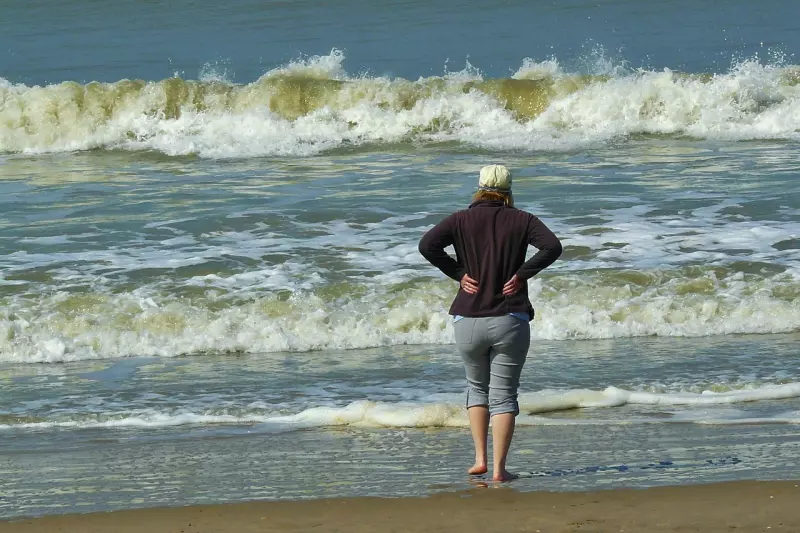 Brandungsaerosol
Photo: © pixabay.com/cocoparisienne/CC0
Baltic Sea climate at a glance
- Wind, temperature, humidity, cloud cover, and sunshine all shape how the coast feels.
- “Stimulating climate” describes stronger or more changeable climatic stimuli; “mild climate” refers to gentler, less demanding outdoor conditions.
- Seawater stores heat and changes temperature more slowly over the course of the year than the air does.
- From a UV index of 3, the Federal Office for Radiation Protection recommends sun-protection measures. The index reflects UV radiation that can cause sunburn.
Wind, water, and how warm or cool it feels
At the beach, air temperature, wind, humidity, and solar radiation all work together. The German Weather Service describes the perceived temperature as the result of these factors. That is why two days with the same thermometer reading can feel different: wind makes the body lose heat faster, while sunshine and sheltered paths affect how warm it feels. An extra layer of clothing is easy to put on or take off, making longer walks more comfortable on changeable days.
The sea responds to temperature changes more slowly than the air because water can store a great deal of heat. The German Weather Service’s climate report for Schleswig-Holstein describes this delayed annual cycle in sea temperatures. For any particular day of swimming, however, the current water temperature and local conditions matter. Beaches, cliffs, lagoons, and woodland paths offer different ways to experience wind and sunshine during a stay.
Stimulating and mild climates explained
These terms describe the intensity of climatic stimuli. Wind, cool air, and rapid changes in the weather may be experienced as more intense stimuli, while mild temperatures and more sheltered locations tend to feel gentler. Which conditions feel pleasant also depends on activity, clothing, the time of day, and personal preference. A walk on an exposed beach feels different from a break in a sheltered village or woodland. The terms therefore help describe different coastal settings and tailor travel plans to the kind of stay you have in mind.
If you are looking for peaceful walks and sheltered paths, you can choose a location and plan your day accordingly. If you are interested in more changeable weather conditions, open shores and stretches of beach offer a different coastal experience. On Rügen, these landscapes are close together: the island of Rügen combines varied coastlines, seaside resorts, and forests. At rehabilitation clinics on the Baltic Sea, the focus is on medically oriented stays.
UV radiation and sunny days on the coast
UV-B radiation contributes to the body’s natural production of vitamin D. At the same time, UV radiation can damage the skin and eyes. The German Environment Agency reports that, in lowland areas, UV intensities capable of causing sunburn occur on almost half the days of the year. The UV index summarizes the expected sunburn-producing radiation in an internationally comparable number. From a UVI of 3, the Federal Office for Radiation Protection recommends protective measures. The index depends, among other things, on the sun’s position, geographic location, and current cloud cover—not on air temperature alone.
For a day on holiday, it helps to check the UV index along with the weather forecast in the morning. At a UVI of 3 or higher, plan for breaks in the shade, covering clothing, a hat, and suitable sun protection. A cool breeze can make your skin feel cool while UV radiation continues to affect it. You can choose shadier routes or times of day when exposure is lower for walks; for time at the beach, plan on sun protection and regular breaks. This makes it easier to enjoy time on the coast while protecting yourself from the sun.
Sea air and natural coastal experiences
Breaking waves carry fine droplets of water into the air. Wind, waves, and distance from the shore all affect how much of this aerosol is present in the surrounding area. Sea air, water, and exercise are also elements of some thalassotherapy programs. The exact combination depends on the provider. Natural treatments on the Baltic Sea include seawater baths and wraps made with peat or chalk.
The Baltic Sea is a brackish sea, with salinity varying from one region to another. HELCOM describes a decrease in salinity from the entrance through the Sound towards the northern and eastern basins. For visitors, this is part of the region’s distinctive natural character; bathing conditions and water values vary depending on the place and time. Visitors can enjoy seawater, wind, and climate as part of a natural experience, while choosing specific therapeutic spa offerings according to their individual programs.
Plan your stay around the weather and your interests
A flexible daily plan works well with conditions on the Baltic coast. When the wind is fresh, woodland paths, a visit to a town, or a shorter walk by the water may be good options. In milder weather, you might enjoy a longer beach walk or time on the promenade. On Rügen, you can combine different stretches of coastline and seaside resorts. If you are looking for a base with both beach and nature trails, Göhren on Rügen is one place to consider.
A quick check of the wind, chance of precipitation, perceived temperature, and UV index gives you a practical basis for deciding what to wear, when to spend time in the sun, and when to take breaks. In changeable weather, waterproof clothing and a backup plan can help make the day enjoyable. The coast offers different experiences in every season: long summer days with opportunities for a swim, clear air and quiet paths in the off-season, and ever-changing light and cloudscapes along the water and shore.
Frequently asked questions about the Baltic Sea climate
What does a stimulating climate on the Baltic Sea mean?
A stimulating climate describes more intense or changeable outdoor conditions, such as wind, cooler air, and shifting weather. It is a way of classifying the climate that helps when comparing exposed and sheltered coastal locations.
How can I plan a sunny day at the beach?
Include the UV index in your plans for the day. From a UVI of 3, the Federal Office for Radiation Protection recommends sun protection; breaks in the shade, clothing, and a hat can also help protect you during your stay.
Why does a day by the sea feel different from one inland?
Wind, humidity, and solar radiation affect how warm or cool it feels. Sea temperatures also change more slowly over the course of the year than air temperatures because water stores heat.
