
Rehabilitation Clinics on the Baltic Sea
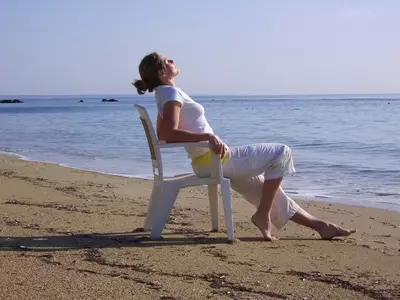 Entspannung am Strand
Photo: © Bodo Schmitt / Pixelio.de
Medical rehabilitation: key facts
Medical rehabilitation helps people improve their health and participation in everyday life following an illness or when dealing with persistent limitations. Depending on the situation, the focus may be on physical functioning, managing a chronic condition, or returning to everyday life and work. Rehabilitation services may be provided on an outpatient or inpatient basis. The treatment team develops a plan suited to the diagnosis, the person’s capacity and their individual goals. The specific focus varies from clinic to clinic, so the medical indication is the starting point when choosing a facility.
For people in employment, the German Pension Insurance is often responsible if their ability to work is at risk or already impaired. In other cases, statutory health insurance may be the responsible provider. Responsibility depends on the rehabilitation goal and the person’s insurance and life circumstances. This distinguishes medical rehabilitation from a wellness stay: the focus is on medically justified goals, structured therapeutic services and a coordinated treatment plan.
The role of a coastal location
Baltic Sea clinics are located in a wide range of places: seaside resorts, along lagoons and estuaries, and in larger towns. The location shapes the surroundings during the stay and the distances between the clinic, the beach and the town centre. The coastal climate is shaped by sea breezes, humidity and changing weather; on exposed beaches, wind and sun may be felt much more strongly than in sheltered parts of town. These geographical conditions are part of the setting, while diagnosis and treatment are planned by the medical facility.
When choosing a clinic, factors beyond the medical indication may also matter, including the therapies offered, the daily and accommodation arrangements, accessibility and personal requirements. Families with children may need different arrangements from people undergoing orthopaedic or psychosomatic rehabilitation. A health or rest retreat, in turn, is put together differently from a medical rehabilitation programme. The pages The Baltic Sea climate and health and natural coastal therapies explain regional terms relating to the climate and services offered.
Rehabilitation specialties at selected Baltic Sea locations
The rehabilitation clinics on Usedom complement the mainland locations with another island region; the page lists local clinics as a separate regional selection.
Clinics along the Baltic coast cover a range of medical specialties. In Boltenhagen, the Ostseeklinik provides rehabilitation and preventive care for mothers/fathers and children, as well as rehabilitation for children and adolescents. Its services also include paediatric cardiac rehabilitation. Families will therefore find a profile explicitly geared towards parents and young patients.
In Graal-Müritz, the MEDIAN Klinik brings together the specialties of orthopaedics, psychosomatics and pneumology. The facility describes inpatient, day-patient and outpatient rehabilitation, as well as follow-up rehabilitation. In Heiligendamm, the main specialties are pneumology and psychosomatics; the clinic lists treatment programmes for COPD, asthma and Long COVID, along with vocationally oriented medical rehabilitation. In Prerow, orthopaedics, respiratory diseases and dermatology are the three listed specialties, including treatment for asthma, atopic dermatitis, psoriasis and urticaria.
These examples show how much the services differ: paediatric cardiology or joint parent-and-child rehabilitation require a different facility from orthopaedic follow-up rehabilitation or pneumological rehabilitation for adults. A clinic’s profile can therefore first be matched to the primary diagnosis and planned type of treatment; the coastal location and personal travel circumstances can then help refine the medical choice.
From medical recommendation to application
The process begins with a conversation with the treating doctor. The discussion covers the limitations affecting everyday life, the goals rehabilitation should achieve and the appropriate type of treatment. The medical reasons are documented for the application. The responsible insurance provider assesses entitlement to benefits and decides on an appropriate measure. For the German Pension Insurance, this includes, among other things, the personal and insurance-related requirements and how rehabilitation may affect the person’s ability to work.
Depending on which provider is responsible for the purpose of the measure, the application can be submitted to the pension insurance provider or the health insurance fund. The German Pension Insurance explains the requirements, grounds for exclusion and application documents in its overview of medical rehabilitation. A medical assessment, information about previous treatment and a description of the rehabilitation goals form the basis for the decision.
Choosing a suitable clinic
The most important consideration is medical suitability: the facility should offer the required specialties and the appropriate level of care. You can then compare practical aspects such as location, travel arrangements, type of stay and support for specific personal needs. The German Pension Insurance provides medical rehabilitation on an inpatient or outpatient basis; the right option depends on treatment needs and personal circumstances.
When submitting an application, insured people can name their preferred clinic. The pension insurance provider takes this preference into account in light of medical suitability, available capacity and the provision of care. It explains the right to choose and express preferences and the steps from application to rehabilitation. It helps to clearly state the clinic’s name, its treatment specialty and the reasons for the preference. This makes the personal choice visible as part of the application and allows it to be considered in the decision.
Distinguishing rehabilitation from a coastal holiday
A rehabilitation stay is organised around a medical indication and treatment plan. A seaside holiday, by contrast, is for relaxation and is planned according to personal travel preferences. These different goals can be included in a trip one after the other: after completing treatment, anyone wishing to spend a few additional days privately on the Baltic coast can choose a separate location. On Rügen, Göhren combines a beach, steep coastal cliffs and walking routes through the village; the page describes these leisure and landscape features separately from clinical treatment.
The way costs are covered also differs depending on the type of stay. Medical rehabilitation is assessed by the responsible provider; private accommodation outside an approved programme is part of separate travel arrangements. The natural surroundings of the Baltic Sea can shape the experience of a place during a stay, while treatment steps are coordinated with the medical team. By comparing the region’s services, visitors can assess clinics, rehabilitation goals and private accommodation preferences separately and choose what suits each.
Frequently asked questions about rehabilitation clinics on the Baltic Sea
Who can apply for medical rehabilitation?
The requirements depend on the responsible provider and the rehabilitation goal. For the pension insurance provider, personal and insurance-related criteria apply, as does the impact on the person’s ability to work.
Can I suggest a particular clinic?
Yes. People insured with the German Pension Insurance can name their preferred clinic in their application. Medical suitability for the indication, capacity and provision of care are taken into account in the decision.
What should I compare when choosing a clinic?
Important factors include the medical specialty, the appropriate type of treatment, accessibility and personal requirements. You can explain your reasons for choosing a particular facility in your application by linking it to your rehabilitation goals.
