
Getting to the Baltic Sea and getting around
The best way to reach the Baltic Sea depends on your holiday destination and how you plan to get around. Cars, trains, ferries and flights provide access to different parts of the coast. Include the final leg from the station, airport or ferry terminal to your accommodation in your travel plans, too.
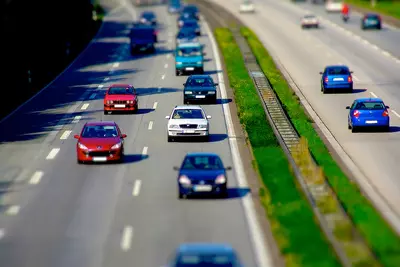 Getting to the Baltic Sea and getting around
Photo: © Toni Käßner / pixelio.de
Key facts about travelling to the Baltic Sea
- For Lübeck, Travemünde and the Ostholstein coast, rail connections via Lübeck are important access routes.
- Rostock is connected to the wider road network by the A 19 and A 20 motorways.
- Rostock port offers daily ferry departures to Denmark and Sweden.
- Regional trains connect places including Rostock and Stralsund; buses cover the final leg on many routes.
- Timetables, roadworks and ferry times depend on the date and route.
Travelling by car: plan your coastal destination and port together
Travelling by car makes it easy to tailor your journey to the location of your accommodation and your planned excursions. The main routes to the western coast run via Hamburg and Lübeck towards Ostholstein. If you are travelling to the island of Fehmarn or on to Denmark, you can combine the drive with the ferry crossing from Puttgarden. The A 19 from north to south and the A 20 from west to east are important access routes to Rostock and eastern Mecklenburg; Rostock port lists both motorways as providing direct access.
Choose a route that suits your coastal destination: from Rostock, Warnemünde, the Mecklenburg coast and places farther east all involve different onward journey times. To reach Rügen, you can travel via Stralsund and take the route onto the island; Sassnitz is also a port. If you choose the port town of Sassnitz as your destination, you can plan your overland journey, the port and island excursions together. During the peak travel season, check your arrival date against actual traffic levels and possible roadworks. Autobahn GmbH publishes current updates by route and junction.
Travelling by train: coordinate your connection and final leg
The train is especially convenient if you are staying in a well-connected town or want to combine excursions with regional trains and buses. In Schleswig-Holstein, routes via Kiel and Lübeck serve coastal towns; Lübeck is an important interchange for Travemünde and Lübeck Bay. NAH.SH’s route overview also includes lines towards Neustadt in Holstein. On the eastern stretch of the coast, regional services connect larger towns such as Rostock and Stralsund. This makes it easy to combine a train journey along the Baltic Sea with local bus and train trips.
If you are travelling without a car, choose accommodation within walking distance of a station or near a suitable bus route if possible. Plan the journey between the station and the beach, port or accommodation as a separate leg; depending on the location, you can walk or use a local transfer. Allow for connections and local transfers when calculating your journey time. For the Hanseatic and university city of Rostock, Deutsche Bahn’s timetable shows specific connections to Stralsund; for other destinations, use the journey planner with your travel date. If you are staying in the city and planning excursions from there, you may find a suitable base in Rostock.
Travelling by ferry: choose a departure port to suit your destination
Ferries are a leg of the journey in their own right and also carry cars, bicycles and foot passengers, depending on the route and ticket booked. Daily services to Denmark and Sweden depart from Rostock ferry terminal. This crossing is a good option, for example, if you are travelling to the Danish islands or southern Sweden. The Puttgarden–Rødby route is a short ferry crossing for travel to Fehmarn and onward to Denmark. Other routes from German Baltic Sea ports head towards Sweden and the Baltic states; the key factors are the destination port, onward travel and journey time on land.
So compare more than just the time spent on board. Take into account the journey to the port, check-in requirements, possible waiting times and onward travel after arrival. If you are travelling without a car, plan the connections between the station, port and accommodation especially carefully. The overview of ferry connections on the Baltic Sea covers ports and routes; specific departures and transport conditions depend on the operator and travel date.
Travelling by air: plan your arrival and onward transfer
Flying can save time on a long journey if an airport with a suitable connection is within reach of your Baltic Sea destination. Commercial airports and smaller airfields serve different purposes: commercial airports offer regular flights, while smaller airfields may be relevant for local aviation services such as sightseeing flights. What matters is which flights actually operate on your travel date and how you will continue to your holiday destination.
After landing, plan to continue by train, bus, rental car or pre-arranged transfer, and compare the total journey time to your accommodation. If your coastal holiday involves several changes of location, another mode of transport may be more convenient. The overview of airports and airfields on the Baltic Sea explains the different types of air destinations.
Getting around locally: plan excursions to suit your accommodation
If you are staying without a car, centrally located accommodation in a town with train or bus connections is usually more convenient than somewhere remote. From Rostock, you can reach destinations in the city and along the coast by regional public transport; beaches and attractions farther away may require an additional bus or train connection. If you combine accommodation and excursions in Rostock, you can plan city visits and trips along the coast as separate legs. If you are holidaying by car, on the other hand, accommodation with good road access is an advantage when you want to visit several stretches of coast.
Boats supplement land transport where ports, Bodden lagoons and coastal towns offer suitable connections. Scheduled services connect ports, while sightseeing trips travel across lagoons, the Haff and coastal waters. Sightseeing cruises on the Baltic Sea include trips on lagoons, the Haff and coastal waters.
Frequently asked questions about travelling to the Baltic Sea
Which transport hub is best for the western Baltic Sea?
Lübeck is a useful interchange for Travemünde and Lübeck Bay. For destinations in Ostholstein or on Fehmarn, coordinate your train or road connection with the final leg to your holiday destination.
Can I travel around the Baltic Sea without a car?
Yes. Larger towns and many stretches of coast are accessible by train and bus. Planning is especially straightforward if you stay near a station or bus stop and choose excursions with return journeys that fit your day’s schedule.
How do I coordinate the ferry with onward travel?
Make sure your arrival port and planned onward journey work together. Take the ferry’s arrival time into account, along with connections by train, bus or road to your destination.
How do I check which train connection is right for me?
Enter your starting point, destination and travel date in the timetable planner. It will show current transfers and connections. If your accommodation is away from the station, plan the local transfer as a separate leg.
