
Camping on the Baltic Sea: Sites, Location and Season
Camping on the Baltic Sea ranges from tent sites to motorhome pitches. Vehicle dimensions, season and rules of use vary. Tents, caravans and motorhomes require different pitches, access routes and hookups; a designated overnight site is the basis for planning a leg of the journey.
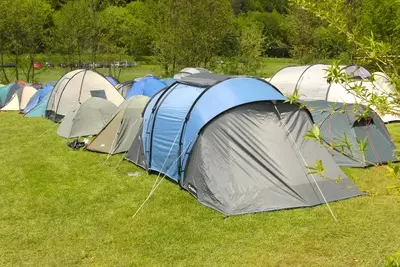 Baltic Sea Camping
Photo: © Marc Tollas / pixelio.de
Baltic Sea camping at a glance
Baltic Sea campsites vary in location, opening dates, pitch type and facilities. A tent holiday requires different conditions from a motorhome or caravan trip; nor does proximity to the beach alone tell you whether a site suits your needs. Safe planning starts with a confirmed booking or a clearly designated overnight site.
Tent, caravan or motorhome?
Tent campers should check the location of the tent area, the ground, sanitary facilities and weather protection. For a caravan, access, pitch size and hookups are also important. Motorhome travellers should check whether a site is explicitly suitable for vehicles, what length or height limits apply, and whether electricity, water or waste disposal are available. These facilities vary by site; the individual website or reception desk is the reliable source of information. For very short stops, check whether a site permits camping or only an overnight stay in a designated motorhome parking area.
Very different landscapes lie close together along Germany’s Baltic coast. A site on Rügen near Göhren offers access to a seaside resort and island trails; on Usedom, Koserow or Zinnowitz may suit a beach holiday. Kühlungsborn and other seaside resorts are also possible search areas along the Mecklenburg coast. When choosing a base for your trip, compare the map location, access route and the specific campsites or motorhome pitches listed.
Choose a location and season that suit you
A site right by the beach may mean shorter walks, but it does not automatically offer more peace and quiet or availability. Inland sites can be a good option if you are travelling by bike or car and want to be farther from the promenade and beach crowds. The key is how you want to spend your holiday: swimming every day, cycling, taking trips with children or travelling from place to place. The distance shown on a map is only one part of the picture: walking routes, beach access and changes in elevation affect the actual journey.
Opening dates and facilities may vary by season. Seasonal opening, reception hours, minimum stays and arrival rules determine when you can book. An old description of a site as open year-round or highly rated is not a reliable indication of what will be available on your travel dates. During school holidays in particular, it is worth providing your pitch requirements and vehicle dimensions before making a reservation.
Compare facilities based on what you actually need
Stars, promotional photos and buzzwords offer only a first impression. Specific details are more useful when booking: Is the pitch shaded or exposed? Is there an electrical hookup, and is it included in the price? How far away are the sanitary facilities? Can children play safely on the site? Are dogs allowed, and what rules apply to quiet hours or barbecuing? If you have particular requirements, ask the site to confirm that the facilities are available before making a binding booking.
Families may prioritise play facilities and short walks to the beach or shops. Cyclists may need secure bike storage and an easy early-morning departure. Motorhome travellers should check manoeuvring space, access and waste disposal. If you are holidaying with a dog, leash rules and designated beach areas are important. The right choice depends on a combination of these requirements, not on a one-size-fits-all ranking of Baltic Sea campsites.
Staying overnight outside a campsite
The feeling of camping does not mean you are allowed to spend the night outdoors anywhere. For a planned camping stay, designated sites and their terms of use are what matter.
A short stop to regain fitness to drive is also different from a planned camping stay. If you are arriving late, book a site with suitable arrival arrangements in advance rather than spending the night in an ordinary car park at your destination. Late arrivals depend on the procedures at the site you choose; campsites with designated arrival times or self-check-in are suitable for a journey planned accordingly.
Booking checklist
- Vehicle or tent: provide dimensions, the length of the vehicle and trailer, and the pitch area required.
- Travel dates: confirm seasonal opening, arrival times and any minimum stay.
- Facilities: compare electricity, sanitary facilities, water, waste disposal and shade.
- Location: assess the walk to the beach, public transport, shops and places to visit based on your actual itinerary.
- Rules: check policies on dogs, quiet hours, barbecuing, visitors and cancellations in advance.
If you are planning a road trip, book overnight stops so that each day’s driving distance is realistic. A map with several confirmed overnight sites is more useful than an open-ended plan that depends on finding parking spontaneously. For a longer holiday, choosing a fixed base may make sense; you can organise day trips from there by bike, bus, train or car.
For regional searches, see the articles Camping in Schleswig-Holstein and Mecklenburg-Vorpommern, Camping in Mecklenburg and Camping on Rügen. They cover different stretches of coastline and provide starting points for checking the current site listings in each area.
Frequently asked questions about camping on the Baltic Sea
Can I spend the night in my motorhome in any car park?
No. A public car park is not automatically open to overnight stays. Follow the signs and local rules, and use designated motorhome parking areas or campsites.
When should I book a campsite?
During school holidays and if you want a particular location, it is advisable to enquire early. The site operator can confirm availability, vehicle dimensions and arrival arrangements.
What is the difference between a motorhome parking area and a campsite?
What is offered and what rules apply depend on the operator and local authorisation. Compare the permitted type of stay and facilities in detail rather than relying on the name alone.
Image credit: © Marc Tollas / pixelio.de.
