
Prohn: Nature and Village History
Accommodation in Prohn
Prohn combines experiences in nature with a distinctive village history. The village lies about 5 km north of Stralsund and on the edge of the Western Pomeranian Lagoon Area nature reserve. To help plan your trip, consider what you would like to focus on: a walk around Prohn Reservoir, migratory birds in the landscape, or the architectural and furnishing history of Prohn Church.
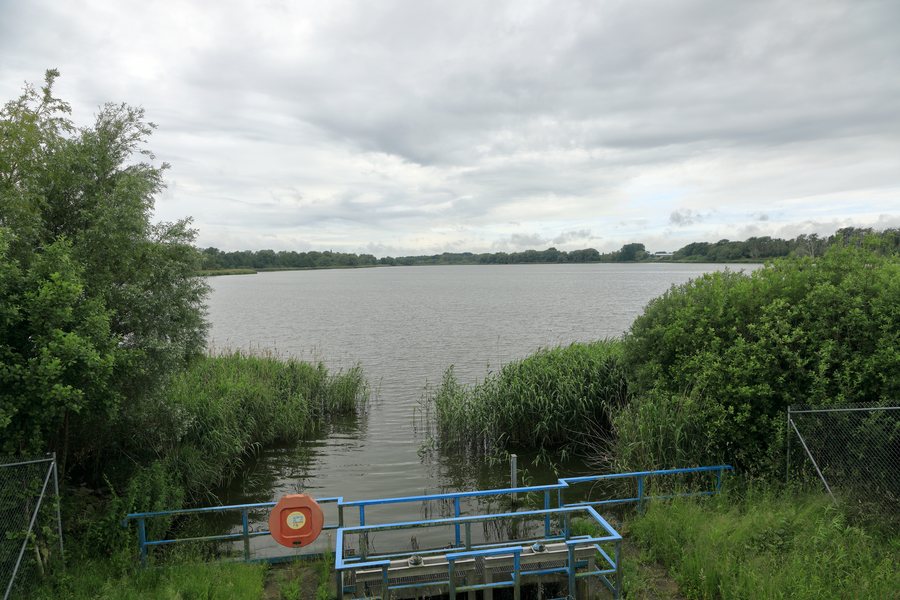
Around Prohn Reservoir
The circular trail around Prohn Reservoir is 4.3 km long and takes about 1.5 hours. It starts and ends at Prohn Church. Along the way, it follows Damitzer Weg and Witzlawstraße to the dam, then continues along a field path and past the bathing area to Damitz harbour. The final stretch follows the hiking trail along the south side of the reservoir before returning to the starting point. The distance and duration give you a concrete guide for planning your day.
Cycling is another activity to consider in Prohn: the village has a well-developed network of cycle paths. If you want to plan a walk, the reservoir circular trail provides a described route; if you prefer to cycle, you can explore the local network. No further details about individual cycling routes are available here.
Cranes and migratory birds throughout the year
In spring and autumn, cranes and other migratory birds spend many weeks resting in the meadows and fields around Prohn, as well as on Prohn Lake. These seasons are a special highlight for visitors who want to plan their stay around observing nature. The resting places are spread across areas of the landscape around the village and the lake; alongside the circular route, the surrounding natural environment is therefore also central to Prohn as a travel destination.
Prohn Church: medieval construction phases and works of art
Prohn Church brings together architectural features from different centuries. Its square, Late Romanesque chancel was built after 1250. The two-aisled nave, comprising two bays, was constructed in the 14th century. During building work from 1858 to 1862, Lübke had a towering Neo-Gothic tower with a pointed spire built in front of the former tower stump. The building history can thus be traced through specific phases: from the Late Romanesque chancel and medieval nave to the Neo-Gothic tower.
The church furnishings also include works from different periods. The oldest item is a triumphal cross group from the 15th century, now located above the modern altar table. The church’s suspended, gilded baptismal angel was made by Elias Kessler in 1727/1728. Visitors interested in historic church art will find two distinct examples here: the older triumphal cross group and the later baptismal angel. The Prohn local history room is located in the community hall and adds another connection to the village’s history among the local cultural sites.
For further orientation within the same overview of localities, you can also find Groß Mohrdorf, Kramerhof, Klausdorf, Preetz and Altenpleen.
For the wider travel overview: Amt Altenpleen.

