
Gützkow: Kosenowsee Lake and History
Accommodation in Gützkow
Nature by the water and history in Gützkow
If you want to take both nature by the water and history into account when choosing a place to stay, Gützkow offers several points of interest: Kosenowsee Lake and historic traces of buildings and settlements. This lets you choose where to stay based on whether walks and swimming or the history of the town should take centre stage.
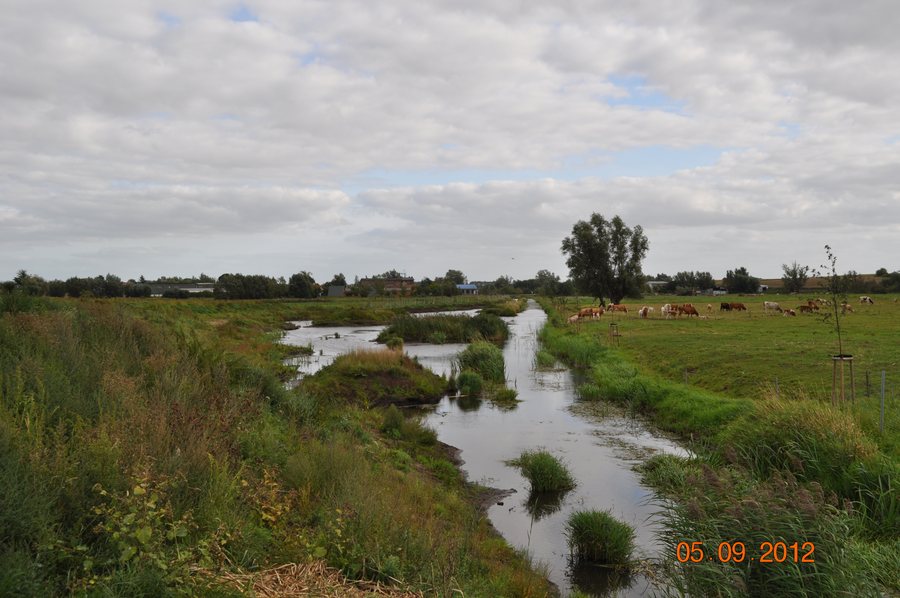
A hiking trail runs around Kosenowsee Lake, inviting visitors to take walks in every season. In summer, the lake’s swimming area is popular with people of all ages. Kosenowsee Lake is also a popular destination for day trips among residents and visitors to the town and surrounding communities. The seasonal highlights differ: walks by the lake are possible all year round, while the swimming area is particularly associated with summer. Anyone considering Gützkow as a travel destination will find a tangible connection here to nature and outdoor activity.
Water touring on the Swinow
Another way to enjoy the water is the Gützkow water touring rest stop. It is located on the Swinow and has comfortable sanitary facilities. If you are interested in water touring, you can include this rest stop in your plans for your stay. It complements the activities described at Kosenowsee Lake with a different kind of water experience: the focus there is on the hiking trail and summer swimming area, while the rest stop on the Swinow is a separate stopping point for water tourers.
The castle rampart and early settlement history
A mighty Slavic castle rampart lies in the immediate vicinity of the old town. It was also used during the period of German law and later built over with a stone castle. This site thus links Slavic history with a later period of use. Limited excavations in 1935 uncovered old plank paths and, in a continuous sequence at the same site, five blockhouses built one above another. The excavation findings offer another perspective on the castle rampart: its history includes not only its later use and the stone castle, but also the paths and the sequence of blockhouses. For guests interested in cultural history, the castle rampart is a separate point of interest alongside Gützkow’s religious buildings.
St. Nicolai and the history of the town
The present building of the parish church of St. Nicolai is closely connected with the founding of Gützkow as a German town. It replaced a church from the 12th century, which was probably destroyed and rebuilt several times. The oldest parts of the present church date from the mid- or late 13th century. The predecessor church and the present building thus belong to different phases of the town’s history: the first church is dated to the 12th century, while the oldest parts of the current building were constructed later. Anyone interested in Gützkow’s historical development will find in St. Nicolai a connection to the town’s founding and its ecclesiastical building history.
The palace chapel as a distinctive architectural feature
Another historic building is the palace chapel. It was built in 1859 from yellow bricks in Neo-Gothic forms and reconstructed between 1996 and 2003. Its date and the specified building materials give it a different character from the parish church of St. Nicolai: the chapel is notable for its 19th-century construction and Neo-Gothic design, while St. Nicolai is distinguished by its older structural elements and its connection with the founding of the German town. Together, the two buildings offer different ways to explore Gützkow’s history.
You can also explore the pages for Lühmannsdorf, Klein Bünzow, Wrangelsburg, Groß Polzin, Groß Kiesow, Ziethen, Schmatzin and Gribow.
For the overview of the wider area: Amt Züssow.

