
Idzbark: Local History and Waterway
Accommodation in Idzbark
You can explore Idzbark for travel planning through two distinct interests: local history and a waterway connecting Ostróda with Idzbark. Historical landmarks include the town’s beginnings with a mill and an inn, a brick chapel, and a monument to those who fell in the First World War. This lets you consider whether architectural and commemorative history or the waterway connection better matches your travel interests. Both perspectives give you a clear direction when choosing a destination.
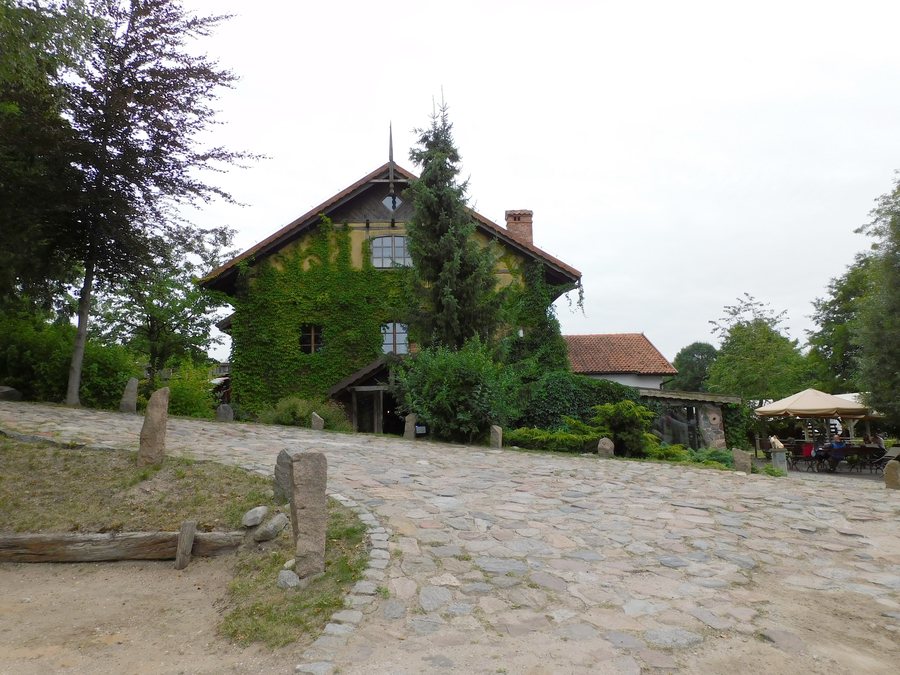
History in Several Periods
Idzbark’s history began with a mill and an inn. The mill was built in the 19th century. The mill and inn together mark the beginning of the town’s history, while the mill’s construction date places this starting point in time. From there, later landmarks can be considered as separate subjects: the brick chapel and the monument. If you want to organize the town’s history around its points of reference, you can distinguish between its beginnings and later architectural or commemorative themes. This comparison over time gives the history a clear structure.
The Chapel and the Monument
The brick chapel dates from the early 20th century. The monument commemorates those who fell in the First World War, is dated 1922, and was restored in 1997. The dates mark different milestones: 1922 is the date assigned to the monument, while 1997 marks its restoration. This brings two perspectives into focus: the chapel can be considered in terms of its masonry and period, while the monument can be viewed in terms of the reason for its commemoration. For those interested in cultural history, this distinction is useful, since a building and a memorial raise different questions. The chapel can be understood through its construction and date, and the monument through the people who fell and whom it commemorates.
Waterway and Travel Planning
The waterway connects Ostróda and Idzbark. Unlike the historical landmarks, it describes a connection between two places, adding a distinct focus to travel planning. You can consider the waterway as a theme for your trip while distinguishing the route to Ostróda from Idzbark’s historical themes. This leaves two questions to consider when planning: Which aspects of local history interest you, and would you like the connection between the two places to play a part?
When choosing a destination, it helps to decide in advance what you want from your stay. Idzbark combines the historical themes of the mill, inn, chapel, and monument with the waterway to Ostróda. Consider which of these focuses matters most for your trip. If you plan to include the waterway in a specific tour, check the current conditions in advance. This way, you can choose a destination based on the interests that will shape your trip.
Discover more destinations: Florczaki, Zabi Róg, Wilnowo, Słonecznik, Roje, Jurki, Gil Mały, Wysoka Wieś.
For the broader travel overview: Ostródzki.

