
Orle
Accommodation in Orle
You can explore Orle’s cultural history through its palace park and the historic traces found in the village. The park combines a layout dating from the 18th century with a clearly structured Baroque design. There are also traces from other periods: remains of a radar station from the Second World War, a former Protestant cemetery, and archaeological finds. If you want to plan your trip around cultural themes, Orle offers several different points of interest.
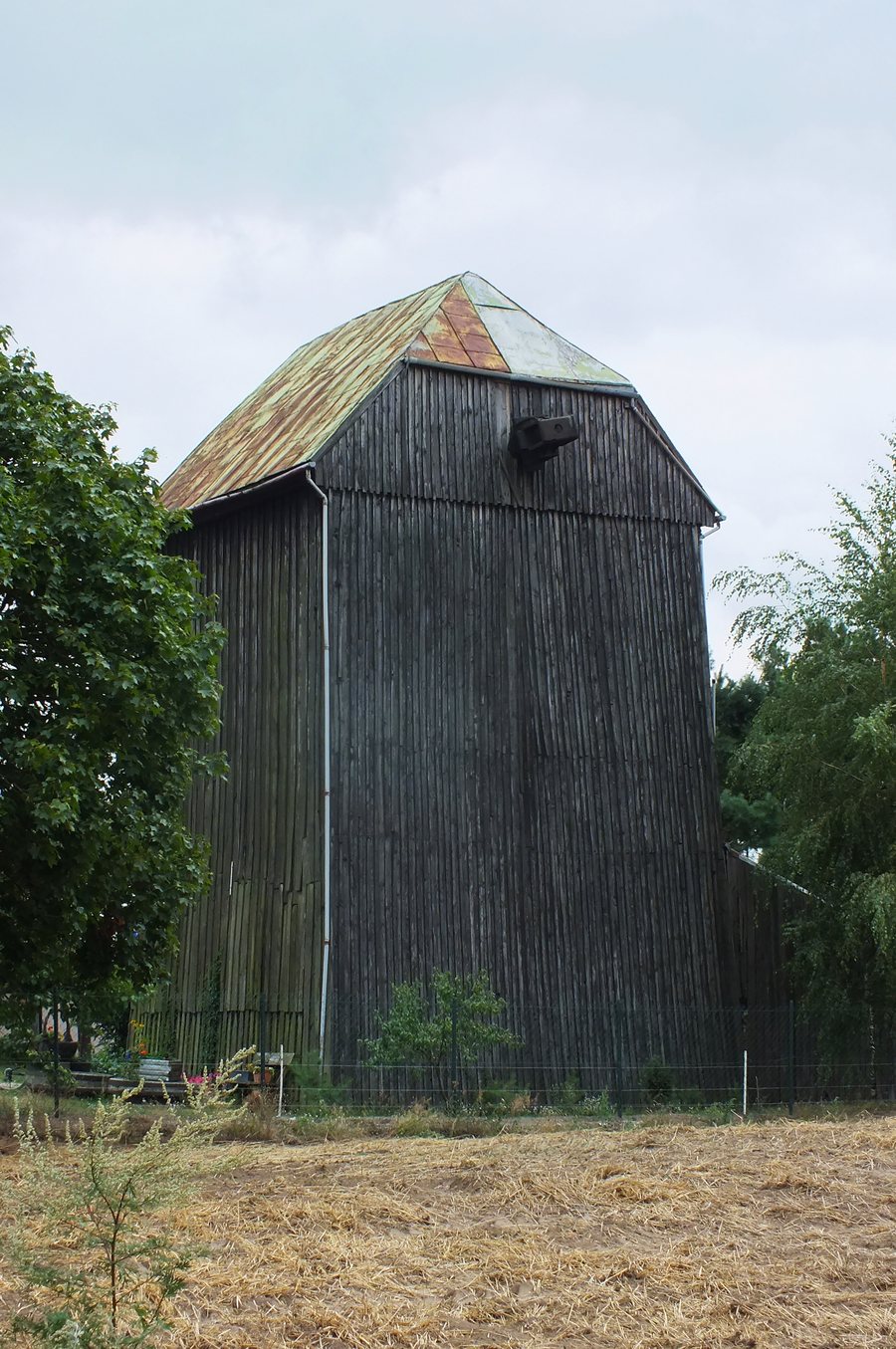
Village Character and Greenery
Orle has a compact settlement structure, and the character of a linear village along a district road has been preserved in some places. Chestnut and maple trees have been planted within the village. Greenery is also present on the site of a church from the 18th century that no longer exists. Alongside individual historic buildings and traces of finds, these features connect the visit with the village’s established settlement pattern.
An oak avenue leads from Orle towards Dargomyśl. You can use this to identify your destination’s geographical direction. For the local history, it is a landmark in its own right, alongside the palace park and traces within the settlement.
The Baroque Palace Park
The palace park was laid out in the 18th century. Its symmetrical Baroque design features flowerbeds bordered by yew hedges, as well as a row of hornbeams. Taken together, these elements describe both the ordered layout of the grounds and specific features of its planting. The park is therefore a natural point of interest for travellers interested in historic gardens and designed cultural landscapes.
The park’s history also includes its listing in the register of monuments: it has been listed under number A-1846 since 25 November 1978. The date and number give the park a clearly defined historical reference. When planning your trip, you can focus on the Baroque design, its individual planting features, or the history of the grounds.
Other Historic Traces
Orle is home to the remains of Würzburg radar, a German Luftwaffe radar station from the Second World War. This historic trace is markedly different in theme from the older park grounds and points to the village’s history in a later period. The ruins of the churchyard enclosure are also part of the historic village landscape. Orle is also home to a former Protestant cemetery. These two features offer different ways to explore the area’s history, without needing to treat them as a single site.
Archaeological Connections
Among the objects found in Orle are bracelets dating from Period V of the Bronze Age. This period is dated to approximately 1000–850 BC. Those interested in archaeology will find a connection to the village’s distant past here, distinct from its later architectural and landscape features.
The Orle hoard also has a more recent connection to the history of archaeological collections: it returned to Szczecin in 2008–2009 as part of a Polish-German exchange. The bracelets and the return of the hoard offer different ways to connect Orle both with Bronze Age finds and with the later handling of archaeological collections.
For your travel plans, the clearest focus is on the history of the park, the village landscape, and historic traces. Depending on whether you are most interested in Baroque garden design, archaeological themes, or the village’s history, you can choose which aspects of Orle to focus on.
More pages about localities: Wrześno, Resko, Belczna, Węgorzyno, Łobez, Dobra, Radowo Male, Grabowo.
For the broader travel overview: Labes.

