
Pärnu: Beach, seaside park and city history
Pärnu on the Gulf of Riga combines a long sandy beach with a historic seaside park and a history stretching back to the Middle Ages. The beach, promenade and museum can be planned as separate parts of a day; a walk through Beach Park takes you straight between the city and the sea.
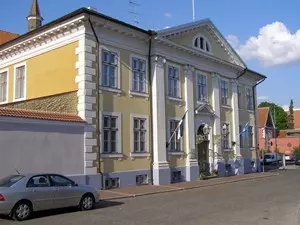 Das historische Rathaus von Pärnu
Photo: © oben: Wiki_-jkb-_CC3.0, Mitte: Wiki_Aiki_CC3.0, unten: Wiki_Tanel_Teemusk_CC3.0
Pärnu at a glance
- Pärnu lies in southwestern Estonia on the Gulf of Riga.
- The central beach has white sand and shallow water that warms quickly in the sun.
- Beach Park borders the beach; established in 1882, it is protected for its rich variety of plants.
- The Pärnu Museum explores the history of the city and region in the context of the Baltic Sea and Estonia.
- The city’s history spans medieval settlements, a Swedish fortress town and its development into a spa resort.
The history of the city at the Pärnu Museum
 Located in the city centre, the Pärnu Museum places the city’s development within the history of the Baltic Sea and Estonia. Its permanent exhibition tells the story through four themes: early settlements, the two medieval towns, the Baroque fortress town of the Swedish era, and Pärnu’s transformation into a trading and industrial city. The emergence of the Estonian nation-state and the development of the spa resort are also covered.
A visit to the museum adds historical context to a day at the beach. It helps explain how a city on the Gulf of Riga became a seaside spa resort whose parks and promenades still shape the cityscape today. Families can explore the themed galleries with characters such as Raimond the Herring. If you’re staying for several days, you could pair the museum and city centre on a dedicated culture day, and visit the beach and Beach Park on another day.
Beach and promenade by the water
 The central beach is Pärnu’s best-known attraction. Its white sand and shallow water, which warms quickly in the sun, define the beach. Families will find playgrounds and other activities, while sports enthusiasts can make time for beach volleyball, tennis and water sports. There’s something for everyone, from a relaxing day on the sand to more active hours by the water.
The beach promenade runs along the shore and connects the beach with dining and leisure options. A playground, mini golf and fountains provide extra stops along the way. The promenade takes on a different atmosphere in the evening when the lights come on; if you want to make the most of your beach day, you can extend your stroll into the evening. The beach is open year-round, though some leisure activities may be seasonal.
For a first visit to the beach, take the route via Supeluse Street and Beach Park. It leads from the city into the park and onward to the sea. A shorter visit can focus on the beach and promenade, while a longer one leaves time for breaks in the park and seasonal activities.
Beach Park: green space between the city and the beach
Beach Park lies right next to the beach and is part of Pärnu’s historic spa-resort landscape. Established in 1882, it was designated a protected area because of its diverse plant life. Shady areas offer a quieter alternative to the open beach. Paths and open spaces make the park a destination in its own right for walks and relaxation.
Since 2010, the traditional park has been divided into themed areas, including a main square, an art square, and spaces for communal games and quiet relaxation. A modern playground sits at the seaward edge, and a fitness trail winds through the park. It’s easy to build into your day: walk through the park to the beach, spend time by the water, then stop for a break among the greenery on your way back.
A base for exploring the beach and western Estonia
Long-distance buses from Tallinn and other Estonian cities arrive at Pärnu Bus Station, Pikk 13, in the centre near the Old Town. The museum and city centre are close together for a cultural outing, while Supeluse Street leads from the centre towards the beach and Beach Park. The beach is about a 15-minute walk from the centre. From June to the end of August, Supeluse is closed to cars and becomes a promenade for pedestrians and cyclists. Staying in the centre works well for visiting the museum and Old Town and for walking towards the beach; if you plan to spend every day at the beach and Beach Park, choose a base nearby. You can choose from accommodation in Pärnu according to what you’d like to focus on. Local buses also operate around the city.
Pärnu can also be part of a wider trip around Estonia: Estonia combines coastal and island destinations with historic towns. As a contrast to this coastal spa town, Tallinn adds the capital, its Old Town and harbour district to your trip. On Saaremaa, Kuressaare offers another blend of historic architecture and island history, while Haapsalu adds another Estonian spa town on the west coast. Depending on how long you have, these destinations can be chosen as separate stops.
Frequently asked questions about Pärnu
What can you combine in Pärnu in one day?
You could start the day at Beach Park, follow the promenade to the beach and finish the afternoon at the Pärnu Museum. If you’d rather spend more time by the water, save the museum visit for another day.
What makes Beach Park worth visiting?
The park is right beside the beach, was established in 1882 and is protected for its diverse plant life. Themed areas, an art square, a fitness trail and a playground add to a walk between the city and the sea.
What history does the Pärnu Museum tell?
The exhibition connects the history of the city and county with that of the Baltic Sea and Estonia. Topics include early settlements, medieval town centres, the Swedish fortress town, the rise of the spa resort and the creation of the Estonian state.
Is the beach open outside the summer season?
The beach is accessible year-round. Leisure activities and beach cafés have their own seasonal opening hours.
