
Skottorp: Castle History and Cheese Production
Accommodation in Skottorp
When planning a trip involving Skottorp, visitors can pursue a range of interests. The architectural history of Skottorps Slott includes the start of construction, a major later transformation, and a widely noted wedding. Skummeslövs kyrka offers a distinct perspective on historic architecture. A cycling route and the cheese production of Skottorps Mejeri add movement and food production to the cultural themes. These differences help visitors distinguish between cultural history, cycling, and local production when planning their trip.
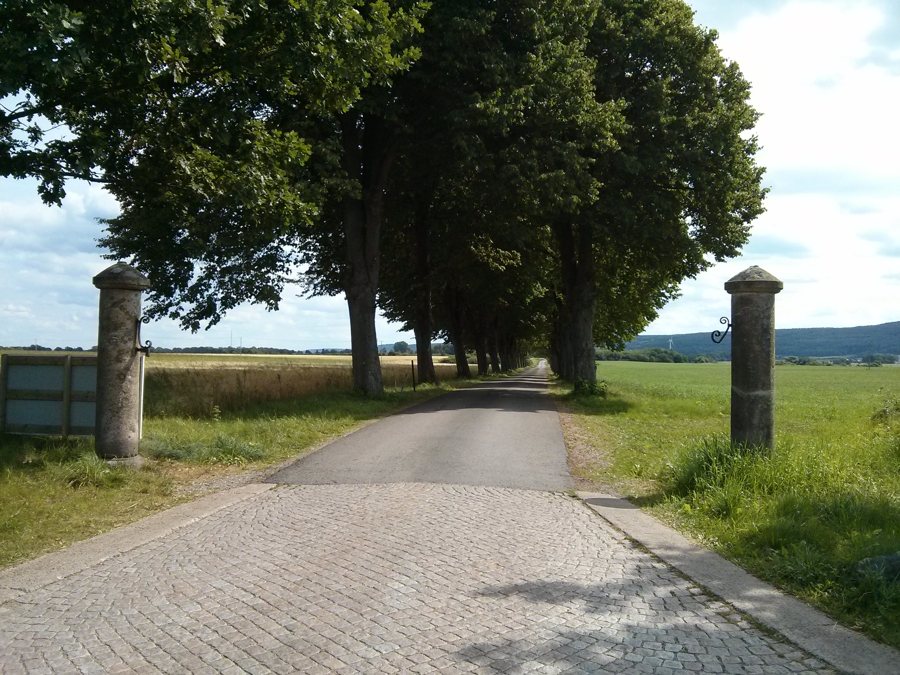 File:Allén från Skottorp mot Skottorps slott.jpg
Photo: Thokar421 via Wikimedia Commons, CC-BY-SA-4.0
Skottorps Slott: Construction Phases and Wedding
Construction of the present-day Skottorps Slott began in the 1660s, based on drawings by Nicodemus Tessin the Elder. The castle acquired its present appearance after a major transformation in the 1820s, carried out according to designs by architect Carl Fredrik Sundvall. The distinction is important for understanding the chronology: the 1660s mark the start of construction, while the 1820s refer to the transformation that shaped its present form. The wedding of King Karl XI and the Danish Princess Ulrica Eleonora took place at Skottorps Slott in 1680 and attracted considerable attention. Chronologically, this event falls between the start of construction and the major transformation; the wedding and the construction phases are distinct, clearly datable points of reference for understanding the castle.
Skummeslövs kyrka: Age and Construction
Skummeslövs kyrka is one of Halland’s oldest churches and is thought to have been built in the 12th century. It stands in an old archaeological and cultural-historical area. The church and tower are built of grey stone without a plinth. Alongside the cautiously phrased construction date, this adds the area’s context and a specific description of the building method. A plinth is a structural base at the foot of a wall; the description “without a plinth” therefore refers to a feature of both the church and its tower. Compared with Skottorps Slott, where the start of construction and later transformation mark two periods, the church’s date, setting, and construction method are presented together. This allows visitors exploring historic architecture to distinguish between the development of a castle and the features of a church building.
Cycling between Laholm and Båstad
The cycling route between Laholm and Skottorp passes through Skummeslövsstrand and continues to Båstad. For trip planning, this route offers an active counterpoint to the historic buildings: the focus is on a route rather than architectural history. Check the current route before setting out, as cycling infrastructure can change. If you would like to include a cycling perspective in your trip, this named route offers a concrete starting point for further planning.
Cheese Production in Skottorp
Skottorps Mejeri makes all of its cheese in Skottorp—from milking to finished cheese. The local connection therefore extends from the starting point of production to the finished product, covering the entire production chain. For travelers interested in food and where it comes from, this is a different perspective from architectural history or cycling: the focus is on where cheese is made and the stages of the process involved.
Discover more destinations: Knäred, Hasslöv, Hishult, Skogaby, Mästocka, Skummeslövsstrand, Våxtorp and Veinge.
Go to the main travel overview: Laholm.

