
Bad Sülze: Salt History, Moor and Spa Park
Accommodation in Bad Sülze
Bad Sülze brings together themes that shape a stay beyond simply sightseeing in a city: the history of salt production, Grenztal Moor and the spa park. If you would like to include culture and nature in your trip, these places offer a tangible impression of the town and its surroundings.
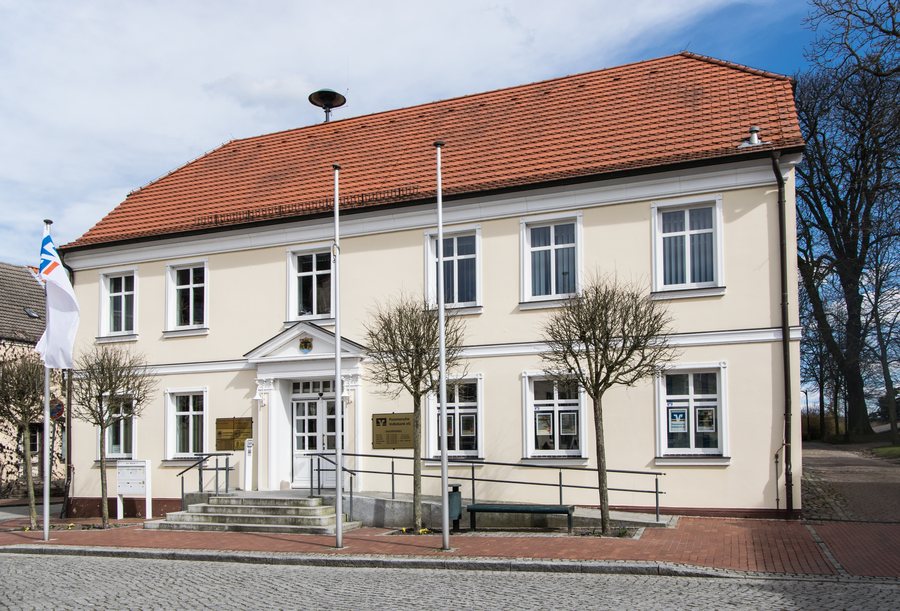
Salt History and Historic Buildings
The permanent exhibition at the Mecklenburg Salt Museum traces the history of salt production from its beginnings in 1243 through to the 20th century. The museum is housed in the Old Salt Office, the former administrative building of the Grand Ducal saltworks. This half-timbered building dates from 1759. Here, history can be encountered both in the exhibition’s subject matter and in the building that houses it.
The museum’s open-air area includes an active boiling house with a stone bread oven. The graduation tower and Timm’s Garden also offer experiences of their own: visitors can inhale saline mist at the graduation tower and stroll through the garden. The museum also has a functioning graduation tower that is probably the smallest in Germany. It is used to disperse brine for the respiratory tract and to enjoy the fresh, salty air.
Another historic building is Bad Sülze’s town church. It is the oldest building in the town for which evidence exists; its first sections were built around 1180. The church contains a Gothic baptismal font and the Kersten organ from the 18th century. The tower-style Dutch windmill stands on Krähenberg. Dating from 1758, it remained in operation until 1937. The church, organ and mill thus offer different insights into Bad Sülze’s history than the Salt Museum.
Spa Park and Moor
The 13-hectare spa park is an option in its own right for a quieter time outdoors. Its very old trees, ornamental shrubs, extensive rhododendron groves and flower beds shape the grounds. The picturesque paths of the park, restored in 2022, offer opportunities for peace and relaxation. A circular hike around Bad Sülze leads from the spa park via the sports field and Schulenberg Castle, then back to the starting point.
Grenztal Moor is also part of the town’s character. It lies between Bad Sülze and Tribsees, and the moorland extends into Bad Sülze. Peat is extracted for therapeutic purposes right next to the spa park, processed and used for moor baths. Those interested in landscapes and nature can also consider the nearby Grenztal Moor Nature Reserve and Recknitz Lowlands Landscape Protection Area. Both offer opportunities for hiking and relaxation.
Exploring the Area Around Bad Sülze
There are many hiking trails in Bad Sülze and the immediate surroundings that pass through nature and can be explored on foot, by bike or by canoe. For a ride on the current “Moorblitz” park railway, the route details are especially specific: it runs on a 675-metre circular route north of the old spa house, or west of the Salt Museum. The railway station is opposite the museum.
For canoeists, the Gästehaus Mühlenstein water touring rest area in Bad Sülze offers a place to stop and, for a small fee, an overnight stay. Bad Sülze is part of the “Vogelpark-Recknitztal” tourism region. Other places you can explore separately: Eixen, Drechow, Hugoldsdorf, Grammendorf, Deyelsdorf, Gransebieth, Lindholz and Dettmannsdorf.
For the broader travel overview: Amt Recknitz-Trebeltal.

