
Putgarten at Cape Arkona
Accommodation in Putgarten
Putgarten brings coastal scenery and cultural history at Cape Arkona into view from several perspectives. The Cape Arkona landscape conservation area in the municipality of Putgarten includes a 45-meter-high cliff; the lighthouse, the rampart of the Jaromarsburg and Rügenhof each offer a different focus. When choosing where to stay based on views, historical themes, art or regional offerings, you can weigh these interests when deciding on your destination.
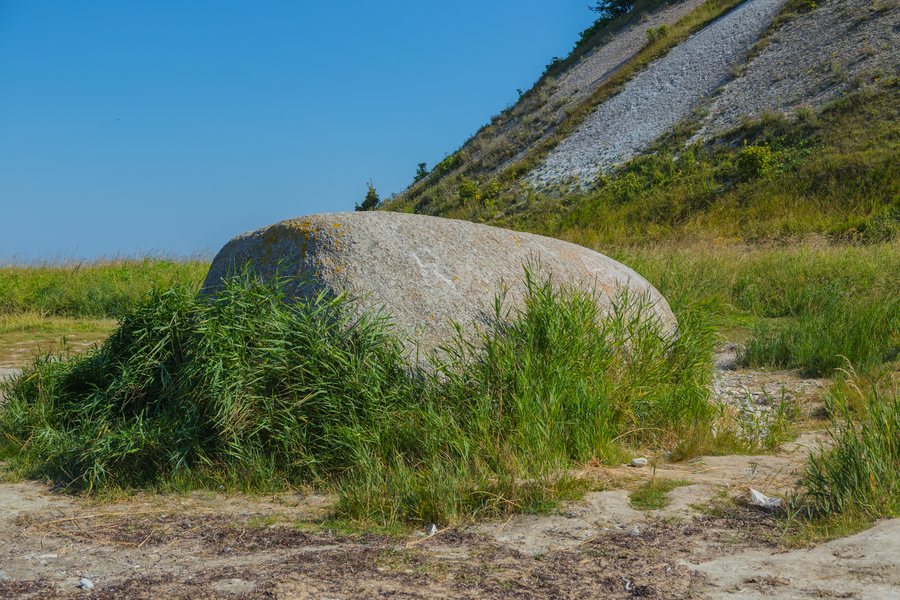
Cliffs, lighthouse and rampart
The fully operational Cape Arkona lighthouse can be climbed via 164 steps. From the top, it offers views across the entire Wittow peninsula, Rügen and the sea as far as Hiddensee. The stairs are a tangible part of the viewing experience; if you plan to climb them, check the current opening arrangements before your visit, as these may change.
The rampart of the Jaromarsburg lies directly at the tip of Cape Arkona, also within the municipality of Putgarten. Alongside the cliffs and the lighthouse views, the cape is also shaped by its archaeological history. These different focal points can help you decide whether landscape, views or a historical theme should take priority during your stay.
Brick ensemble and regional offerings
Rügenhof in Putgarten is a typical North German ensemble of red brick buildings, comprising a manor house, a former sheepfold, a pottery courtyard and a barn. For travelers who also take architecture and regional character into account when choosing where to stay, it broadens the picture of Putgarten beyond its coastal scenery. Its four components give the ensemble a different character from the cliffs and lighthouse.
Putgarten Manor House serves lunch, pasta dishes from its own workshop, regional ice cream, coffee, home-baked cakes and a wide range of regional products. Culinary interests thus add another focal point. Dishes and products may vary by season; if you are coming for a particular dish or product, it is best to check in advance what is currently available.
Getting around, the railway and cultural history
The gas- or hydrogen-powered Cape Arkona railway runs between the Putgarten car park, the fishing village of Vitt and Cape Arkona. If you want to include Vitt and the cape in your day’s plans, the railway may factor into your transport considerations. Operations and vehicle details may change, so check the latest information before your trip.
The Kap Arkona Tourism Company information office is located at the entrance to Putgarten, right by the car park. It provides information and resources to help plan your stay at Cape Arkona. Its location and planning services make it a convenient place to start if you are preparing for a visit to the cape.
A museum on the history of border security is housed in the former East German National People’s Army bunker at Cape Arkona; contemporary art is now exhibited there. The building’s former use and its present-day art offer two distinct perspectives. Cultural events are regularly held in the garden of the lighthouse keeper’s house. If you are planning to attend a particular event, check the latest event listings.
The wider Vorpommern-Rügen region
The wider travel destination of Vorpommern-Rügen extends beyond Putgarten. The district includes Rügen and the nearby islands of Hiddensee and Ummanz; it is also home to an estimated 60 museums. The old town of the Hanseatic city of Stralsund is part of the UNESCO World Heritage Site “Historic Centres of Stralsund and Wismar.” On Rügen, the beech forests in Jasmund National Park are also part of a UNESCO World Heritage Site. These regional examples represent a range of cultural and landscape interests across the wider destination of Vorpommern-Rügen.
Discover more destinations: Dranske, Altenkirchen, Lohme, Glowe, Breege, Sagard, Wiek on Rügen
Return to the main travel overview: Amt Nord-Rügen.

