
Schaprode: Natural Harbor, Beach and Hiddensee
Accommodation in Schaprode
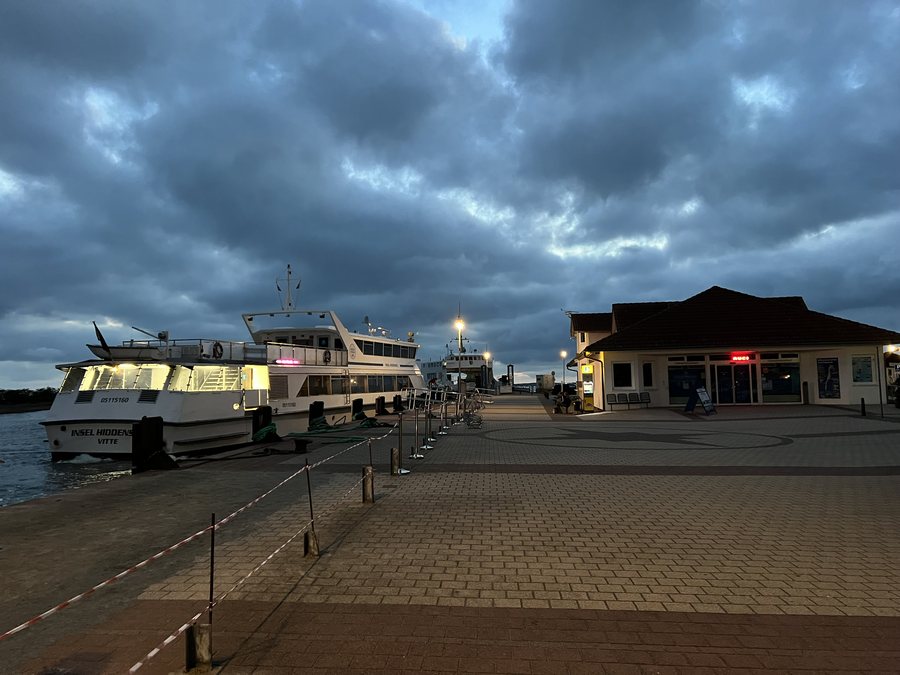
Schaprode combines a sheltered natural harbor with a fine-sand beach near the ferry terminal. The Schaproder Strom separates the village from the small private island of Öhe, thereby forming the harbor. The connection to the car-free Baltic Sea island of Hiddensee also shapes the choice of location: passenger ferries take visitors from Schaprode to the island. If you want to consider a harbor, beach and ferry connection for your Baltic Sea trip, Schaprode offers several options to explore.
Marina and getting your bearings locally
Schaprode Marina offers 220 berths for permanent moorings and visiting boats at modern floating docks. There is also a slipway and a boat crane. These features give the harbor a distinct maritime character and are of interest to guests who also consider harbors and boats when choosing where to stay. The beach offers a different appeal: it has fine sand and is near the ferry terminal.
There is a straightforward way to get to the ferry from the large car park in Schaprode: it takes about seven minutes on foot; alternatively, a shuttle service is available. The time is approximate. Anyone weighing up the walk against the shuttle can take this information into account when planning their arrival.
Schaprode as a starting point for Hiddensee
Passenger ferries take visitors from Schaprode to the car-free Baltic Sea island of Hiddensee. Schaprode is the only place from which Hiddensee can be reached year-round. This makes the connection to the island an important consideration when choosing a location. If you plan to include Hiddensee in your trip, you can consider Schaprode as your starting point for traveling by water; the island itself is car-free.
Church and local history
St. John’s Church reflects several periods in Rügen’s history. It was built as a basilica in the first third of the 13th century and reduced in size in 1450. The chancel with its apse has been preserved. The church played an important role in the Christianization of Rügen; around 1500, it was also a place of pilgrimage where a figure of the Virgin Mary was venerated. These milestones link the building’s architectural history with its religious significance in the region.
Another historical landmark is the Schaprode atonement stone. As a murder memorial, it commemorates the slain knight Reynwart von Platen and his sons. Nearby, north of Schaprode at Stolper Haken, lies the Schwedenschanze (Swedish redoubt). It was built between 1700 and 1720 to protect the entrance to Stralsund. Together, the church, atonement stone and Schwedenschanze offer insights into different aspects of local and regional history.
Beach and water sports
Schaprode also offers a range of maritime activities for active days. Wikingsurf runs a surf and sailing school in the village, offering windsurfing, sailing, SUP and raft building. The activities range from water sports to an activity centered on building rafts. The fine-sand beach near the ferry terminal is another point of interest for anyone who also wants to consider the beach location when choosing where to stay.
More destinations in the same selection: Kluis, Trent, Rambin, Samtens, Hiddensee Island, Altefähr, Neuenkirchen and Dreschvitz.
For the wider travel overview: Amt West-Rügen.

