
Trygort between cycling routes and history
Accommodation in Trygort
Trygort can be understood through two specific travel interests: cycling and history. The cycling routes offer different points of reference, while the town’s history includes a distinctive historical function and a sporting event. When choosing a holiday destination, you can therefore weigh up whether a ride or learning about Trygort’s history is more important for your trip.
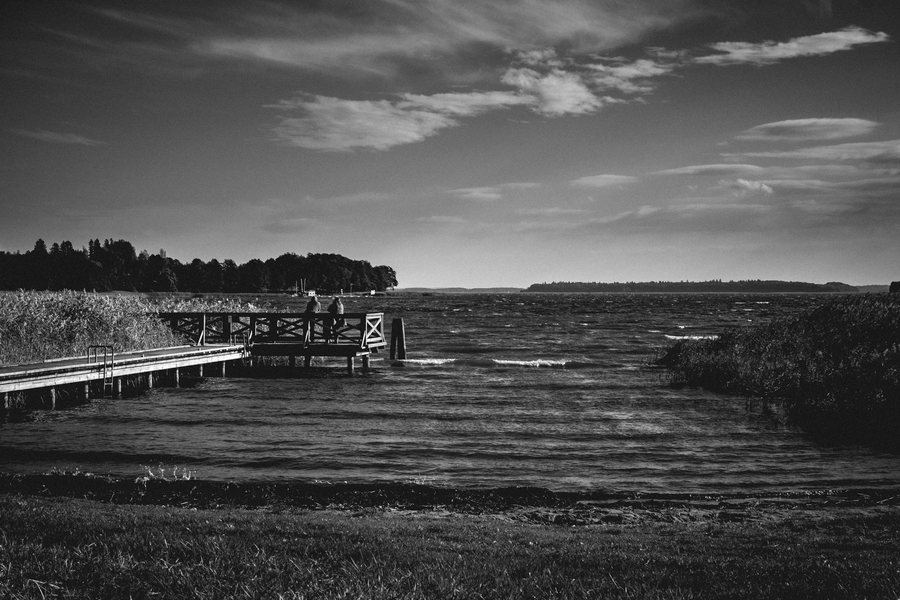
Cycling with different route connections
The “Mała Pętla Mamr” cycle tour runs from Węgorzewo to Trygort via the Green Velo cycling route. The 58-kilometre “Wokół Mamr” cycle route passes through Trygort. This means that Trygort is the destination on one route and part of the route on the other.
This distinction is useful for planning: if you want to include Trygort as the destination of a ride from Węgorzewo, the “Mała Pętla Mamr” follows this connection. If you first want to consider the stated distance, “Wokół Mamr” offers a specific route length of 58 kilometres. You can then decide whether the destination or the specified route length matters more for your trip.
Local history and sporting games
Trygort is known for a menagerie where the Teutonic Order raised young animals for hunting. This historical connection brings a specific former function of the place to life and offers a different perspective on Trygort from the cycling routes. Those interested in history will find a distinct topic here alongside active trip planning.
Another point of interest is Trygortiada: in 2023, it was held in Trygort as the ninth edition of the local sporting games. The date places the event in time without implying that it will be held again in the future. If Trygortiada is relevant to your travel plans, check the current event dates in advance.
Culture in the wider Węgorzewski destination
The wider Węgorzewski destination also has cultural and historical points of interest specifically located in Węgorzewo. Cmentarz nad jez. Święcajty is a cemetery for soldiers who fell in the First World War. It contains the graves of 344 German and 234 Russian soldiers. These two figures keep the groups distinct and make the cemetery’s historical connection specific.
The grounds of the Muzeum Kultury Ludowej include a small open-air museum featuring traditional Masurian architecture. It includes wooden residential houses from the 18th and 19th centuries. The architecture offers a different way to explore regional history than the cemetery: the focus here is on traditional homes.
For a culture-focused regional trip, these offer two distinct perspectives: commemorating soldiers who fell in the First World War and Masurian architecture. Both are part of the wider Węgorzewski destination and are located in Węgorzewo; Trygort’s historical connection to the menagerie is separate from these.
Discover more destinations: Wesołowo, Węgorzewo, Kal, Kolonia Rybacka, Przystan, Ogonki, Pozezdrze, Olszewo Węgorzewskie.
Go to the wider travel overview: Węgorzewski.

