
Skanör and Falsterbo: Nature and history on the Baltic Sea
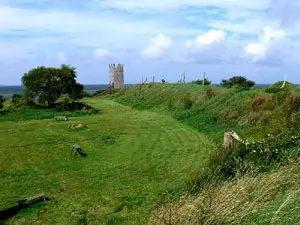 Wikingerstadt Foteviken
Photo: © Wolfgang Sauber / wikimedia
Skanör and Falsterbo at a glance
- Location: The two towns are on the Näset peninsula in Vellinge Municipality, on Sweden’s southwestern Baltic coast.
- Coastline: The peninsula borders the open Baltic Sea and the Öresund; long sandy beaches and stretches of dunes define the landscape.
- Nature: The Måkläppen nature reserve is known for its shifting sand deposits, wading birds and seals.
- Bird migration: Falsterbo Bird Observatory conducts systematic counts of migrating birds; autumn is an especially good time to visit for wildlife watching.
- History: In the Middle Ages, Skanör and Falsterbo were important centres of the Scania herring market; castle ruins and the lighthouse recall their maritime past.
- Hiking: The Skåneleden trail links Skanör and Falsterbo on an approximately nine-kilometre section along the beach, paths and a canal.
Two towns between the Baltic Sea and the Öresund
Skanör and Falsterbo lie at the southwestern tip of Sweden’s Baltic coast. The narrow peninsula separates the open Baltic Sea from the Öresund, offering varied coastal views in a compact area. Its flat, sandy landscape is quite different from the rockier stretches farther north in Skåne. A visit here centres on the water, beaches and open countryside, complemented by the history of the two towns.
The towns’ names are often mentioned together, but each has its own historical landmarks. In Skanör, the castle ruins recall the town’s former importance. Falsterbo, with its lighthouse and medieval church, is a destination in its own right. From the 12th to the 16th century, the towns were known for the herring trade; the Scania Market drew buyers and merchants from around the Baltic Sea. This trading history explains why two now-quiet coastal towns once mattered far beyond southern Sweden.
If you are exploring the coast from the south, you can combine your visit with Trelleborg and Smygehuk. Trelleborg adds a major ferry port and Viking history to the coastal landscape, while Smygehuk lies farther east along the south coast. This makes Falsterbo easy to include as part of a route along Sweden’s southern Baltic coast.
Beaches, Måkläppen and birdwatching
The long sandy beaches offer plenty of space for walks and swimming breaks. The beach stretches for several kilometres, with dunes alongside some sections. If you are planning a longer day on the coast, you can combine time on the beach with a walk in the surrounding area. The Skåneleden section between Skanör and Falsterbo follows paths and stretches of beach, and passes a canal. It works well as a hike in its own right or as the basis for a more leisurely day trip.
Måkläppen, a sand spit shaped by wind and water, lies at the southwestern edge of the peninsula and is an important resting place for wading birds and seals. Visitors may enter the accessible area only from 1 November to 31 January. The permanently closed protected zones A and B remain off-limits during this period, too; area C is closed from 1 February to 31 October. Keep at least 50 metres from the seals. Dogs are prohibited throughout the area year-round. Autumn bird migration can be observed elsewhere on the peninsula, while Måkläppen itself remains protected outside its short visiting season.
Falsterbo is also an important vantage point for watching bird migration. Falsterbo Bird Observatory has documented migration for decades using standardised counts. Many birds pass over the peninsula in autumn; good sightings depend on migration activity, weather and the conditions on the day. For a relaxed outing, all you need is a pair of binoculars and some time at a suitable viewpoint. Different species and viewing opportunities can be found throughout the season.
Falsterbo as a base and day-trip destination
Regional bus 100 connects Malmö with Falsterbo via Vellinge and Höllviken. You can reach the peninsula directly by bus and use Falsterbo as a base for beach walks, wildlife watching or excursions. Staying in Falsterbo puts the lighthouse, beach and southwestern tip within easy reach. Compare accommodation by location and type using the Falsterbo accommodation guide. Plan your day by combining the beach and local walking routes according to the distances involved.
Longer excursions are also possible. Malmö combines an old town, museums and the Öresund coast, offering a striking contrast to the open landscape of Näset. If you would like to cross the sound and add another day in the city, Copenhagen offers harbour districts, palaces and museums. For a shorter trip, either city makes a good addition; with a longer stay, you can explore the coast with several stops along the way.
To explore the peninsula, combine a stroll around Skanör or Falsterbo with the beach, lighthouse and—if you visit in autumn—birdwatching. The hiking section between the two towns adds a longer walk through the coastal landscape. If you are travelling farther through southern Sweden, continue along the coast towards Trelleborg or use Malmö as a larger urban base.
Frequently asked questions about Skanör and Falsterbo
When is Falsterbo especially interesting for birdwatching?
Autumn is the main season for bird migration over the peninsula. Falsterbo Bird Observatory systematically counts migrating birds; sightings outdoors depend on migration activity and the weather at the time.
How can you walk between Skanör and Falsterbo?
The Skåneleden offers a section of around nine kilometres between the towns. It follows paths and stretches of beach, making it a good choice for a day hike along the coast.
How is a stay in Falsterbo different from a stay in Malmö?
Falsterbo is known for its sandy coast, wildlife watching and maritime history. Malmö adds an old town, museums, parks and urban beaches along the Öresund.
What historical landmarks can you see locally?
The remains of a castle have been preserved in Skanör; Falsterbo has a historic lighthouse and a medieval church. In the Middle Ages, the Scania Market made both towns well-known herring trading centres.
