
Wadąg: Trails and paper mill history
Accommodation in Wadąg
A walking and cycling path that runs from Wadąg via Myki and Zalbki to Wiosenna Street in Olsztyn provides a clear focus on outdoor activity. At the same time, the area's history ranges from a paper mill dating back to 1715 to a classicist Warmian wayside shrine, probably originating in the 19th century. Wadąg can therefore be understood through a named route and buildings with different historical associations.
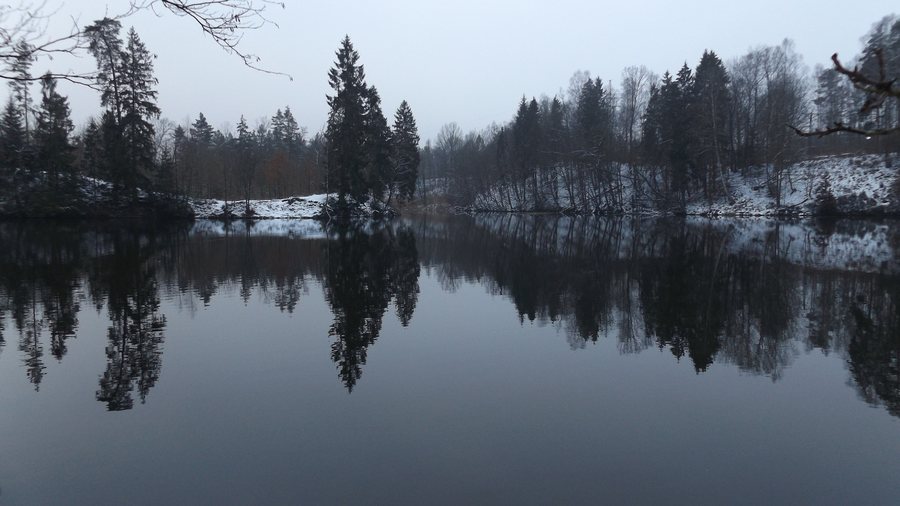 File:Miejsce, gdzie Łyna łączy się z rzeką Wadąg, Olsztyn. - panoramio.jpg
Photo: Krzysztof Rakowski via Source, CC BY-SA 3.0
Walking and cycling path with a destination in Olsztyn
The path runs from Wadąg via Myki and Zalbki to Wiosenna Street in Olsztyn. Both the places along the way and a specific destination are named. If you would like to include walking or cycling in your travel plans, this route gives you a clear point of reference when choosing where to stay: Wadąg is the starting point for the path, which leads to Olsztyn via the places mentioned. This adds an active perspective to the area's historical associations.
Paper mill and power plant: the history of a building
In 1715, Józef Hempel built a paper mill in Wadąg. In 1830, the mill produced Category I paper for export to the Kingdom of Poland. The two dates mark different stages in this history: the first indicates when the mill was built, and the second gives specific information about production and exports. The paper mill is thus brought to life not only as a building, but also through its products and the market context at the time.
Another historical event took place in 1923: a power plant was commissioned in the paper mill building and was managed by the Olsztyn tram and bus company. This added a technical use of the building to its paper production. The history also notes an administrative relationship with a company from Olsztyn. Paper production and power plant operations are two specific subjects through which the area's history can be explored.
A classicist wayside shrine
The classicist Warmian wayside shrine represents a different type of building. It stands in Wadąg and probably dates from the 19th century. Its classicist style and probable date are two distinct features that together shape its architectural classification. The shrine can therefore be considered as a point of interest in its own right, alongside the paper mill: it adds a religious dimension to the history of paper production and the power plant. Visitors interested in architecture will find a different focus here than in the history of local production.
When deciding whether Wadąg could be a place to stay, you can weigh up its different attractions. Would you like to include the walking and cycling path in your travel plans, or are you mainly interested in the history of the paper mill and power plant? The wayside shrine adds an architectural perspective to these options. If you are looking for hotels for a trip to Wadąg, you can first consider which of these specific aspects of the place you would most like to shape your stay.
Discover more destinations: Włodowo, Biesal, Swaderki, Dorotowo, Giławy, Siła, Nowe Kawkowo, Klebark Wielki.
For the overview of the wider area: Olsztyński.

