
Funen, Langeland and Ærø: Islands and connections
Funen makes a convenient base for visiting Odense, the west and east coasts, and the bridges to Jutland and Zealand. If you’re looking for small islands, harbours and short ferry crossings, stay in the south: Svendborg and Faaborg open the way to the island archipelago, while Rudkøbing connects Langeland with Ærø.
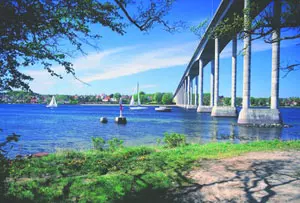 Sundbrücke in Svendborg / Südfünen
Photo: © Preben Eider/VisitDenmark
Funen, Langeland and Ærø: key facts
- Funen lies between Jutland and Zealand; Odense is the island’s main rail and transport hub.
- West: The Little Belt Bridge connects Funen with Jutland. The motorway across the Great Belt leads to Zealand and is subject to a toll.
- Southern Funen: Svendborg and Faaborg are departure ports for ferries to Ærø.
- Langeland: The road and cycle bridge over Siø leads from Tåsinge to Langeland; the harbour to Marstal is in Rudkøbing.
- Ærø: Ferries arrive in Ærøskøbing or Søby. Choose the port according to your departure point and the part of the island you want to visit.
- Without a car: Trains take travellers as far as Odense; FynBus connects towns on Funen and Langeland. For Ærø, include the ferry crossing and onward travel on the island in your route planning.
Which island is right for your trip?
Funen is the most versatile base if you want to combine city visits, culture, coastal towns and day trips. Odense has museums, historic neighbourhoods and rail connections in both directions. To the northeast are Kerteminde and the Hindsholm peninsula; on the west coast, routes lead to Middelfart and Assens. The south, with Svendborg and Faaborg, is ideal for a trip centred on harbours, sailing waters and the nearby islands.
Langeland offers a peaceful, elongated island route, with the harbour town of Rudkøbing well placed as a base for trips north and south. The island is connected to Funen via Tåsinge and Siø. Its distinctive bridge connects Siø with Langeland and carries a road, a cycle path and a footpath. This means the island chain can also be reached by bicycle; getting there via the Great Belt involves different arrangements from crossing by car or train.
Ærø is the right choice if you want the ferry crossing to be part of the holiday experience and plan to make the island a destination in its own right. The ports of Ærøskøbing and Søby serve different arrival routes. The southern port of Marstal can be reached via the connection from Rudkøbing. For a day trip, therefore, the crossing time alone is not what matters: the journey to the harbour, departure frequency, walking distances and onward travel on Ærø all affect how much time you’ll have there.
Getting there by bridge and train
The E20 connects Funen to Denmark’s long-distance road network. From Jutland, the free Little Belt Bridge leads to the island, while crossing the Great Belt between Funen and Zealand is subject to a toll. Trains also cross the Great Belt, connecting Odense with Copenhagen and Jutland. If you’re travelling without a car, you can use Odense as a transfer point and continue from there to the coast by regional train or bus.
If you’re cycling between several islands, it’s worth distinguishing bridge connections from ferry routes. From Funen, you can reach Langeland via Tåsinge and Siø; the Langeland Bridge carries the cycle path across the strait. The Great Belt, by contrast, is a rail or road connection. For the western crossing over the Little Belt, you can use the railway or the road bridges; choose your cycling route to suit the specific bridge.
Between the islands by ferry and bus
Ærøfærgerne operates the Svendborg–Ærøskøbing and Faaborg–Søby routes, as well as the connection from the Danish island of Als to Søby. Bicycles and vehicles can also be taken on board. Tickets are booked before travel; timetables and availability vary by route and travel date. Svendborg is the natural choice for combining a visit with southern Funen and the island archipelago, while Faaborg is convenient for approaching from the southwest.
ÆrøXpressen runs between Rudkøbing on Langeland and Marstal on Ærø. The crossing takes around 50 minutes. Buses serve the harbour in Rudkøbing. This route links Langeland directly with Ærø’s maritime south. If you’re coming from Odense or elsewhere on Funen, plan your bus journey to Rudkøbing first, then allow time for the ferry departure.
FynBus provides bus services on Funen and Langeland. Its day ticket is valid on FynBus buses and the Odense light rail; trains and flexible transport services are not included. Travelling to Ærø is a separate leg involving a bus or train, a ferry and local transport on the island. On Ærø, local buses make it easier to travel between the ports and towns. For a car-free trip, Svendborg, Faaborg or Odense are good starting points, provided the ferry and bus departures line up.
Towns as bases and destinations
Odense is worth visiting for its culture and city life, and is also a convenient place to arrive by train. The Hans Christian Andersen Museum and the old town can be combined with a stay in a city hotel or a trip to the coast. Further west, Middelfart provides access to the Little Belt and the Jutland peninsula on the opposite shore. Assens is another option for the west coast and the island’s southwestern part.
In the south, Svendborg lies on the Svendborg Sound. Ferries depart from here for the South Funen Archipelago and Ærøskøbing, making the town a good base for harbour visits and island stays. Faaborg is another ferry port for Ærø and a starting point for the western part of the archipelago. Tåsinge forms part of the road connection between Funen and Langeland and offers a quieter stop along the way. Langeland’s main town, Rudkøbing, combines an island stay with the ferry journey to Marstal.
Ærøskøbing is a good arrival point for visiting the island’s historic town. Nyborg lies at the eastern end of Funen, close to the Great Belt crossing, and makes a convenient stop on the way there or back. Kerteminde rounds out the options in the northeast: its harbour and coast are complemented by Kerteminde Fjord, North Beach and trips to the Hindsholm peninsula. For a stay of several days, you can choose accommodation in Kerteminde to suit your plans for the beach, fjord and Viking heritage.
These ten places show how varied the island’s bases are: Odense for trains and culture; Middelfart and Assens for the west; Svendborg and Faaborg for harbours and island-hopping; Tåsinge and Rudkøbing for the bridge route to Langeland; Ærøskøbing for arriving on Ærø; and Nyborg and Kerteminde for the east and northeast coasts. Don’t try to include every stop on a single round trip. For a short visit, it’s more relaxing to stay in one place and take two or three suitable day trips; for a longer holiday, it can make sense to move between the city, southern Funen and an island.
A guide to the towns
In Odense, the focus is on urban history, museums and rail connections. Middelfart lies on the Little Belt; Assens is another option on the west coast. In the south, Svendborg and Faaborg offer different harbours and ferry connections. Tåsinge lies on the route to Langeland, whose harbour town, Rudkøbing, provides a connection to Ærø. On the neighbouring island, Ærøskøbing is a ferry port. Nyborg marks the eastern gateway, while Kerteminde brings together coastal and fjord experiences in the northeast.
Frequently asked questions about Funen, Langeland and Ærø
Which base is best for a car-free holiday?
Odense is convenient for train travel because long-distance trains stop there, and buses and regional trains continue onward. Svendborg and Faaborg are good choices if you’re planning a ferry trip to Ærø. On Langeland, FynBus connects the towns; reaching Ærø also requires a ferry. Coordinate your accommodation and departures so you can get to the harbour and catch your next bus without a long wait.
How do you get from Funen to Langeland?
The road and cycle route runs from Funen via Tåsinge and Siø to Rudkøbing. The Langeland Bridge connects Siø and Langeland and has a cycle path and a footpath. This makes the island chain suitable for a cycling trip too.
Which ferry goes to Ærø?
From Funen, ferries run from Svendborg to Ærøskøbing and from Faaborg to Søby. From Langeland, ÆrøXpressen runs from Rudkøbing to Marstal. Choose a route that suits your destination and how you’re getting there; select the timetable and ticket for your chosen travel date before setting off.
Is Funen a good base for visiting Ærø?
Yes, especially in the south of the island. Svendborg and Faaborg offer direct ferry connections. If you’d like to include Langeland, travel via Tåsinge to Rudkøbing and take the ferry to Marstal from there. For a short trip, the right combination of train or bus, harbour and departure time is essential.
