
Protected Areas on the Baltic Sea
Protected areas along the Baltic Sea preserve coastlines, forests, lagoons, dunes and marine habitats. National parks, nature reserves, biosphere reserves and nature parks each have different priorities, and their boundaries may overlap. For your outings, what matters is the specific area, its landscape and the designated routes.
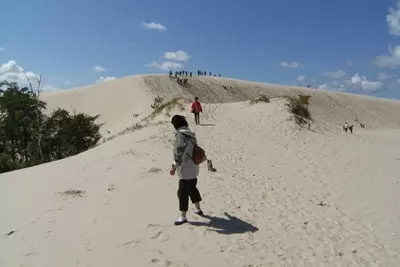 Dünen im Slowinzischen Nationalpark bei Leba
Photo: © Wikimedia / Chron-Paul CC BY-SA 3.0
Quick facts about protected areas along the Baltic Sea
- National parks protect large natural and coastal landscapes; natural processes such as shifting sands shape some areas.
- Nature reserves protect specific landscapes, habitats and species under locally applicable rules.
- Biosphere reserves combine the protection of characteristic landscapes with life and economic activity in the region.
- Nature parks generally encompass larger, inhabited cultural landscapes; nature experiences and environmentally responsible recreation are among their purposes.
- European Natura 2000 sites are designated to protect habitats and species; their boundaries may overlap with nationally protected areas.
- Visitors can experience protected areas on marked trails, at viewpoints and in information centres. Seasonal access rules help protect sensitive feeding and breeding sites.
What the different protected-area designations mean
“Protected area” is the general term for places afforded special protection because of their nature, landscape or species. The rules of the specific area apply. A map showing protected-area boundaries and the information posted on site can help you choose the right route; in national parks, rangers and visitor centres also provide information about the landscape and its trails.
A national park is a large landscape where natural processes are given priority across extensive areas. Along the Baltic Sea, this is especially evident where wind and water reshape shores, sandbanks and dunes. Nature reserves focus protection on specific habitats or natural features. Access or activities in these areas may be restricted at certain times, for example during sensitive breeding and feeding periods.
Biosphere reserves also cover large areas. They preserve characteristic natural and cultural landscapes while involving the towns and people of the region. A nature park, in turn, combines landscape conservation with recreation and sustainable use. These designations can overlap: a nature park may, for example, include nature reserves, while core areas of a biosphere reserve are strictly protected. For visitors, the specific sub-area is therefore more important than any supposed hierarchy of “stricter” and “less strict” categories.
The European Natura 2000 network of protected areas is also present along the Baltic coast. It protects designated habitats and species under European directives. Natura 2000 sites may lie within a national park or nature reserve and may partly overlap its boundaries. Local trails and seasonal notices provide information about visiting.
Jasmund National Park: chalk cliffs and ancient beech forests
On the island of Rügen, Jasmund National Park brings together beech forests, stream valleys, wetlands, springs and the white chalk coast. It is Germany’s smallest national park. The ancient beech forests at the heart of the park are a UNESCO World Heritage Site. Two closely connected but distinct nature experiences take centre stage here: views of the striking cliffs and walks through an extensive forest habitat.
For your visit, choose between viewpoints, hiking trails and the KÖNIGSSTUHL National Park Centre. The coastline is dynamic, so designated routes provide the trails and safe access points. Allow time for the clifftop trail and choose your route according to the weather, your fitness and what you would like to see. The visitor centre adds exhibitions and information about the landscape.
If you are making the chalk coast your day-trip destination, you can compare Sassnitz and other places on Rügen as starting points. The seaside resorts in the island’s southeast are better suited to a beach holiday; they make a different base from the hiking access points in the northeast. Accommodation in Binz is a good fit for the beach and seaside architecture. From there, include the journey to the national park in your day’s plans. If you want the shortest possible route to the clifftop, consider staying closer to Sassnitz instead.
Vorpommern Lagoon Area: a coastline in motion
The Vorpommern Lagoon Area National Park covers 786 square kilometres. It stretches from the Darß peninsula via Zingst and Hiddensee to western Rügen; the Baltic Sea and lagoon waters make up more than 80 percent of its area. The lagoons are coastal waters of the Baltic Sea. In some stretches, wind and waves erode sand from the shore and deposit it elsewhere. This creates wind flats, sand spits, dunes, coastal lakes and marshes. These changes are a defining feature of the national park.
Within a compact coastal area, the landscape offers a wide variety of habitats: open Baltic Sea, shallow lagoons, heathland, wetlands, forests and beaches. Visitors can explore them in different ways. A beach walk reveals the open coast; trails through forests and heathland lead inland; viewpoints look out over the lagoons and feeding sites. On Hiddensee, island trails link up with boat travel. The area is therefore well suited to day trips with different focuses, as long as your outward journey, return trip and walking distance all work together.
Cranes gather in the region in autumn. During the day, you can watch them from places such as the accessible Kranorama centre at Günzer See; between Zingst and Tankow, viewpoints offer a chance to see them fly in to their roosts in the evening. During the autumn migration, access to Sundische Wiese is restricted at set times from 7 September to 1 November 2026: the area is not generally accessible from 3 p.m. to 8 a.m.; in the afternoon, visitor numbers are limited until sunset. When watching cranes, stay on the trails and keep your distance from feeding and resting areas.
The lagoon landscape is a good choice if you would like to experience coastal dynamics and bird gatherings. On a short trip, you can combine a viewing point with a coastal walk or a visit to an information centre. For a longer tour, plan separate visits to the Darß, Zingst and Hiddensee.
Protected areas in neighbouring countries
Beyond Germany, the Baltic coast continues through Denmark, Sweden, Finland, Poland, Lithuania and other countries bordering the sea. Legal designations and terminology differ from country to country. Common themes include coastal forests, islands, dunes, wetlands and habitats for migratory birds. German protected-area categories cannot simply be applied unchanged to sites abroad; the relevant local protection information is what counts.
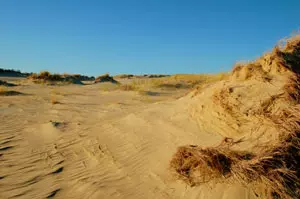 On the Curonian Spit, a narrow strip of dunes separates the Curonian Lagoon from the Baltic Sea. The spit extends across Lithuania and Russia; on the Lithuanian side, the national park takes in a landscape of dunes, forests and settlements. Further travel information about Lithuania can help you place the spit in the broader Baltic region. Nature, the shape of the landscape and its unique position between the lagoon and the open sea are the main attractions of this coastal area.
In the northern Baltic region, skerries, islands and extensive coastal forests are among the defining landscapes. On the Swedish side, the coastal areas of Norrland offer a glimpse of the northern Baltic. Finland’s west coast leads to a coastal landscape where islands and skerries shape the transition between land and sea. When comparing protected areas across countries, first look at the landscape feature being protected and which trails are open; terms such as “national park” and “nature reserve” have meanings shaped by each country’s own system.
Planning a visit and how to behave in a protected area
Choose a protected area based on the nature experience you are looking for: chalk cliffs and beech forest in Jasmund, lagoons and feeding sites in Vorpommern, or dunes and coastal forests in neighbouring countries. Then compare access points, trail lengths and transport connections. A national park may include large areas of water or remote stretches of coast, so a nearby town is not necessarily the starting point for a short circular walk. Visitor centres and park authorities can point you to suitable access points and provide updates on trail closures.
Staying on marked trails, following signs and keeping your distance from wildlife are simple rules with an immediate benefit: they leave sensitive areas undisturbed and also make it easier to find your way. In bird-feeding areas, staying on the trails is particularly important during seasonal migrations. Dogs must be kept on a lead wherever local rules require it. The use of fires, drones, bicycles and watercraft may also be regulated; the specific local rules apply in each protected area.
Weather, season and daylight all affect the experience. In autumn, bird gatherings and shorter days are key considerations, while summer visits allow for longer walks. Wind and rain should be factored into coastal route choices; on cliffs, use only designated paths up and down. For trips across islands and lagoons, take seasonal bus and boat services into account. This makes protected landscapes an easy-to-plan part of your Baltic Sea holiday.
Frequently asked questions about protected areas along the Baltic Sea
Are protected areas closed to visitors?
Many areas can be explored on designated trails, from viewpoints and at information centres. Some areas or access points may be restricted at certain times to protect breeding and feeding sites. Always follow the latest information from the relevant authority.
What is the difference between a national park and a nature park?
A national park protects large natural areas and gives their natural development a central role. A nature park usually encompasses an inhabited cultural landscape and combines conservation with recreation and sustainable use. Both may contain other protected areas.
When can you see cranes in the Vorpommern Lagoon Area?
Cranes are especially prominent during the autumn migration. During the day, viewing points such as the Kranorama centre at Günzer See are good places to observe them; for their evening flights to roost, there are viewpoints between Zingst and Tankow. Access to Sundische Wiese is restricted at certain times during the migration season.
How do I find the right starting point for a visit?
Choose your accommodation based on what you want to see: Sassnitz is close to Jasmund, places on the Darß and Zingst provide access to parts of the lagoon landscape, and island destinations require suitable boat connections. A specific trailhead and its distance are more useful than the distance to a town name on a map.
