
East Jutland: Coast, Aarhus and Djursland
East Jutland connects the towns along the Kattegat with fjords, islands and the Lake District inland. When planning your trip, decide whether to focus on harbour and city life, beaches on Djursland, an island crossing, or trails through forests and lakes.
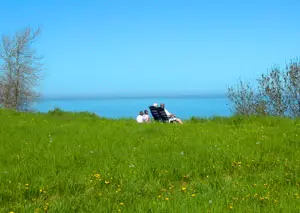 Urlaub in Ostjütland
Photo: © nordlicht verlag
East Jutland at a glance
- Coastal route: From Juelsminde and Horsens in the south, the region stretches past Aarhus and Djursland to the edge of Randers Fjord in the north.
- City bases: Aarhus brings together urban culture and museums; Horsens and Randers combine city attractions with their fjords.
- Coast: Djursland offers coves and beaches on the Kattegat. Ebeltoft lies on Ebeltoft Vig, while Grenaa is at the peninsula’s eastern tip.
- Natural area: Mols Bjerge National Park is a defined protected area on Djursland. It encompasses hills, coastline, forests and Ebeltoft, but not the entire peninsula.
- Islands: Samsø can be reached by ferry from Hou and Aarhus. Ferries to Anholt depart from Grenaa.
- Lake District: Skanderborg and Silkeborg lie inland, amid lakes, forests and the Gudenå.
From Juelsminde to Horsens: fjord coast and city
In the south, the East Jutland coastline begins at Juelsminde, between Horsens Fjord and Vejle Fjord. The harbour, town centre and Storstranden beach are close together. Juelsminde is a good base if short distances between the beach, places to eat and the harbour matter more than a packed city itinerary. The coastal trail to Snaptun adds longer stretches beside the water to your stay.
Further north, Horsens Fjord opens up into a world of islands and coves. The city of Horsens lies at the fjord’s innermost point, and its harbour is sheltered. Museums, historic buildings and events give the city its own distinctive cultural character. A base in Horsens suits travellers who want to combine city visits with excursions along the fjord. Juelsminde and Horsens offer different options: the smaller harbour and beach town for a coastal stay, or the larger city for culture and a wider range of urban attractions.
The fjord is also a landscape to explore. Its shores, islands and coves are best discovered with a specific destination in mind, such as a coastal walk, a trip to a waterside town or a visit to the island area. If you are splitting your trip between several places, you can combine the southern stretch of coast with a stay in Horsens, rather than setting out for every excursion from a single accommodation base.
Aarhus: the urban hub, with excursions into the surrounding area
Aarhus is East Jutland’s main urban hub and Denmark’s second-largest city. Museums, the old town, the harbour and contemporary culture can be combined with natural attractions beyond the city centre. Moesgaard Museum is south of the city, set in a landscape of forest and coast; the area around Aarhus also provides access to Djursland and Mols Bjerge National Park.
As a place to stay, Aarhus offers a wide choice of urban activities and places to eat. For a beach-focused holiday, the city is less directly connected to the coast than a town on Djursland. If you choose Aarhus as your main base, city life and culture take centre stage; for several days at the beach, it makes sense to add a second stop on the coast. Splitting your stay shortens the journeys between day-trip destinations and makes the transition from city activities to nature easier.
The coast south of Aarhus leads towards Odder and Juelsminde, while the route east via Rønde goes to Ebeltoft and on to Djursland. Bus 123 connects Aarhus, Rønde and Ebeltoft, and also stops at Kalø Castle Ruins. It is a useful guide for excursions on the peninsula; check the current timetable when planning specific days out.
Djursland and Mols Bjerge: beaches, hills and Ebeltoft
Djursland is a peninsula with coastline on several sides and varied countryside inland. In the south, Ebeltoft lies on Ebeltoft Vig. Its historic town centre, harbour and museums make it an interesting place to visit even without a day at the beach. Ahl and Vibæk are close to town; further east are Dråby and Boeslum. The beaches differ in location and surroundings, so choosing accommodation near the stretch of coast you want to visit can be more practical than choosing based on a general view of the peninsula.
Mols Bjerge National Park covers around 180 square kilometres, stretching from the Kattegat coast to the forests near Kalø. It includes the hills of Mols Bjerge, coastal areas, forests, lakes, Ebeltoft, villages and holiday-home areas. The national park covers parts of Djursland; the peninsula as a whole is not a national park. This distinction is important when finding your way around: Ebeltoft can serve as a town and coastal base, while walks in the hills require their own starting points and route planning.
The landscape was shaped by the Ice Age. Ridges and coves alternate among hills, open pastureland and viewpoints. Trehøje offers sweeping views across the landscape between Aarhus and Ebeltoft. In the national park, walking, cycling and wildlife watching can be combined with visits to coastal towns. For a day in the protected area, it helps to choose a clear starting point, such as a designated car park or a stop along the bus route, so your trip stays within the time you have planned.
Around Ebeltoft, swimming coves, town visits and nature are all close at hand. Choose the town itself for historic streets, the harbour and museums. For beach days, location near Ahl, Vibæk, Dråby or Boeslum matters. For walks in the national park, consider how close you are to the trails and how you will get back. This distinction helps you match your accommodation to your day-to-day plans.
Grenaa, North Djursland and the island of Anholt
In the north, Djursland ends at the open coast of the Kattegat. Grenaa lies at the peninsula’s eastern tip and is both a town and a ferry port. It makes a good base for beaches and excursions in North Djursland; for an island trip, it is the departure point for Anholt. North Djursland differs from the south of the peninsula because of its position along the northern stretch of coast and its access to Randers Fjord.
According to the ferry operator, the crossing to Anholt takes around three hours. The journey is therefore a much bigger part of the day than a short trip along the coast. The island lies in the Kattegat between Denmark and Sweden, and its natural landscape is characterised by dunes and heathland. If you plan to visit Anholt, treat the timetable, accommodation and length of stay as a separate part of your trip, and use Grenaa as your mainland base.
Another island connection leads to Samsø. The ferry from Hou, south of Aarhus, carries vehicles and reaches Sælvig in about an hour. The fast ferry from Aarhus departs from Dokk1 and also takes passengers and bicycles, with a crossing time of about an hour. Choose according to how you are travelling: Hou if you are bringing a car, or Aarhus for a connection from the city centre on foot or by bike. The towns on Samsø are spread across an island nearly 28 kilometres long, so for a longer stay it is worth choosing a base that suits your planned excursions.
Randers Fjord and the Lake District inland
Randers lies at the inner end of Randers Fjord, which is around 30 kilometres long and opens onto the Kattegat. The fjord is narrow and river-like at first; further out, the landscape is shaped by reed beds, low-lying shores and wetlands. You can plan a cycle loop around the fjord. The longer circuit is around 85 kilometres, while the Mellerup–Voer ferry can shorten the route to about 48.5 kilometres. This gives you the choice between an outing from Randers and a longer bike ride that crosses the water.
Randers combines a city base with nature excursions towards the coast. The city’s museums and rainforest attraction offer an alternative to the fjord trails. If you are planning a trip through varied landscapes, you can enjoy Randers’s city attractions and set aside a separate day for the fjord’s shores. The distance between the city and the Kattegat can be explored on a day trip with stops at different towns and viewpoints.
The Lake District begins south-west of the coastal route. Skanderborg lies in a landscape of lakes and waterways, while Silkeborg is a good starting point for trips and trails in the lake region. The Gudenå connects this inland landscape with the Randers area. Lakes, forests and coastal towns offer a type of trip that differs from a traditional beach holiday. If you are planning canoe trips, cycling days and hikes, staying inland is more practical than travelling there from the coast each day.
The island of Funen lies west of the Great Belt and can be included as an additional stop on a longer trip around Denmark. It is not part of the East Jutland peninsula, but it adds another leg to a route across the Little and Great Belts. This lets you combine a stay on Jutland’s east coast with other Danish islands and city destinations without blurring the geographical distinctions.
Which base is right for your East Jutland trip?
Juelsminde is a good choice for a harbour, beach and short distances around town. Horsens is a city base at the inner fjord, with cultural attractions and excursions into the bay. Aarhus suits city life and museums, while Ebeltoft brings together a historic town centre, coastal towns and proximity to Mols Bjerge. Grenaa is the right mainland base for North Djursland and the Anholt ferry. Randers combines a city visit with the northern fjord, while Skanderborg and Silkeborg are good options if lakes, forests and river landscapes are your main focus.
As a general travel-planning suggestion, spring and autumn are especially suitable for city visits, museums and culture in Aarhus or Horsens; if you want to combine beach days with longer nature excursions, plan your trip from late spring to early autumn. A balanced stay in East Jutland could last six to eight days: two to three days in Aarhus and four to five days in Ebeltoft, Djursland and Mols Bjerge. If you also want to visit Anholt or Samsø, allow extra time for travel and your stay on the island.
Several city bases are accessible by train: Aarhus, Horsens, Randers, Skanderborg and Silkeborg all have DSB stations. Bus 123 connects Ebeltoft to Aarhus via Rønde; Juelsminde can be reached from Horsens on bus 105 via Hornsyld. The L1 light rail runs from Aarhus to Grenaa. These connections make the cities and larger towns practical starting points if you are travelling without a car. Beaches, hiking trails and viewpoints on Djursland and in Mols Bjerge, however, are spread over a wide area; depending on your destination, you will need a suitable regional bus, a bicycle or an additional transfer. For an overview of regional options, the guide to accommodation in Central Jutland is a good starting point for finding holiday homes and hotels in your preferred location. Staying near the beach or hiking area you want to visit shortens your day-trip journeys.
Frequently asked questions about East Jutland
Is the whole Djursland peninsula part of Mols Bjerge National Park?
No. The national park covers around 180 square kilometres on Djursland, stretching from the Kattegat coast to the forests near Kalø. It includes Ebeltoft and parts of the surrounding landscape; the peninsula as a whole is larger than the protected area.
Where should I stay for a beach holiday on Djursland?
Ebeltoft offers access to Ahl and Vibæk, as well as the old town and harbour. Dråby and Boeslum lie to the east of the town. Your choice depends on which beach you want to visit and what excursions you are planning in the national park.
How do you get from Aarhus to Samsø?
The fast ferry departs from Dokk1 and takes around 60 minutes to reach Sælvig; it carries passengers and bicycles. Ferries carrying vehicles also sail from Hou, south of Aarhus, to Sælvig, with a crossing time of about an hour.
How long does the ferry to Anholt take?
The ferry from Grenaa to Anholt takes around three hours. Grenaa is therefore a good mainland base before the crossing; plan the timetable and length of your stay together.
Which towns are good for a holiday in the Lake District?
Skanderborg and Silkeborg are good starting points for exploring the inland region of lakes, forests and the Gudenå. If you also want beach days on the Kattegat, it makes sense to add a coastal base.
